
Types of Cups, Bowls and Beakers for Tea
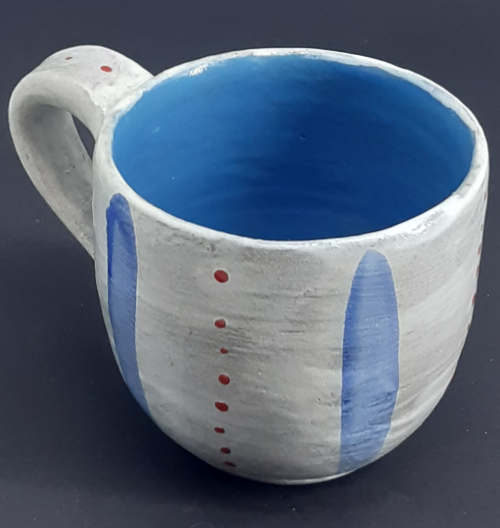
Hello everyone!
Just as wine lovers choose their glasses, tea drinkers have preferences for particular vessel shapes.
The type of tea, the region where the leaves were grown and even the drinker’s local climate can influence the choice of cup, bowl or beaker. Tea is enjoyed from many different vessels, including cups, tea bowls and beakers.
The teacup was a Western invention and is relatively recent.
The Origins of the Saucer and Teacup
According to goodwyntea, teacups developed from East Asian tea bowls, and handles were not added until 1750.
Saucers were initially used to cool tea more quickly and only later became supports for cups.
Gaiwan, Chawan and Yunomi
Tea, made from the leaves of Camellia sinensis, originated in Asia and has a long history of use there. Different regions and countries developed distinctive ceramics adapted to their local teas.
Broadly speaking, Chinese tea drinkers often use very small, open bowls with a saucer and lid, known as gaiwan.
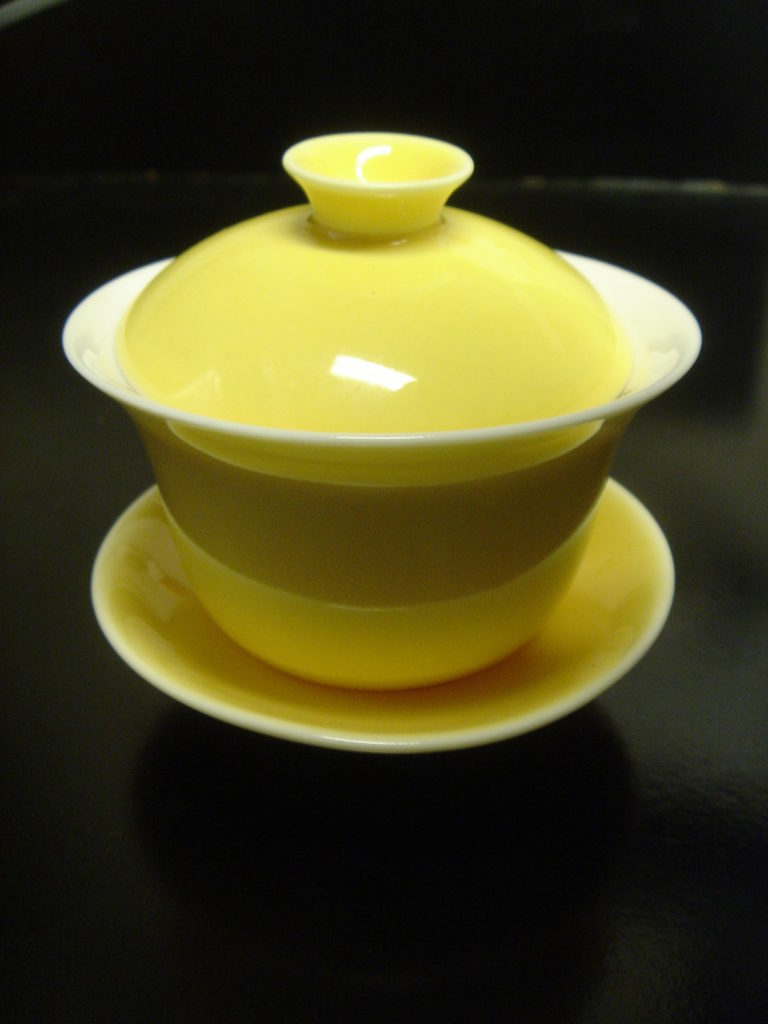
Chawan are bowls used for the Japanese tea ceremony, in which matcha, a powdered green tea, is prepared and drunk.
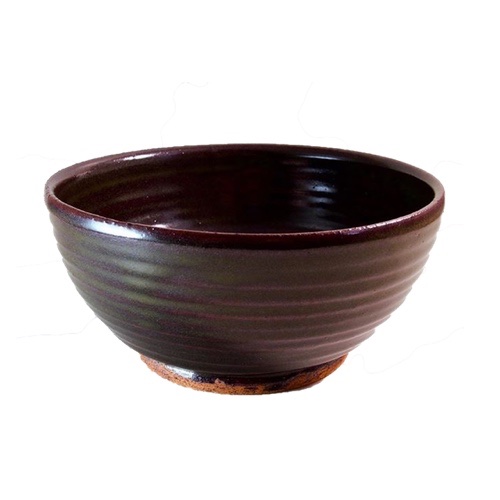
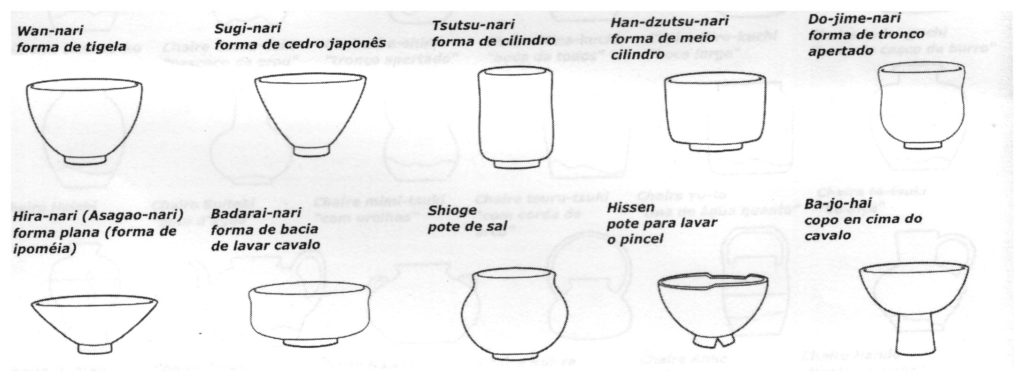
The tea master may choose a particular shape according to the season. In summer, for example, a more open bowl allows the tea to cool more quickly.
See the variety of shapes in the diagram below:
A yunomi is a beaker used for informal tea drinking in Japan. Shapes vary, but they are usually cylindrical and hold 90–160 ml. Green teas such as sencha are commonly drunk from yunomi.
Tea and the Material of the Vessel
Tea can taste different depending on the vessel into which it is poured. Unglazed cups or bowls absorb some of the tea’s flavour, making it mellower.
Tenmoku glaze is rich in iron, and connoisseurs say this mineral softens the flavour of teas such as oolong.
Now let us look at choosing a vessel shape for a particular type of tea.
The Classic Shape
The classic shape is hemispherical. It may be low or tall, but its sides rise steeply at the rim. It aims to maximise the tea’s surface area, allowing the drinker to take more tea in each sip and enjoy its texture and flavour.
These cups and bowls are particularly suitable for full-bodied teas such as black tea.
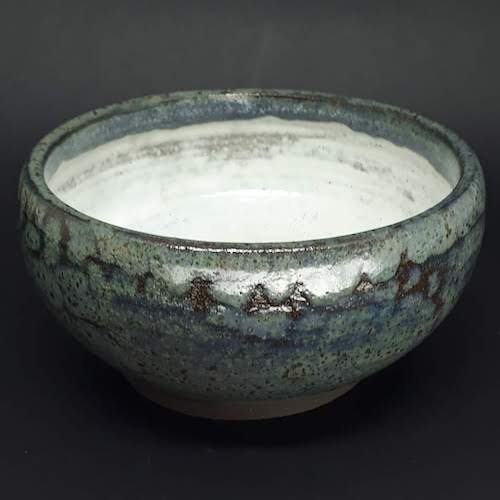
The Open Shape
Open shapes help tea cool more quickly, making them suitable for delicate teas such as green and white tea. Each sip is also smaller than with the classic shape, allowing the flavours to be noticed and appreciated more carefully.
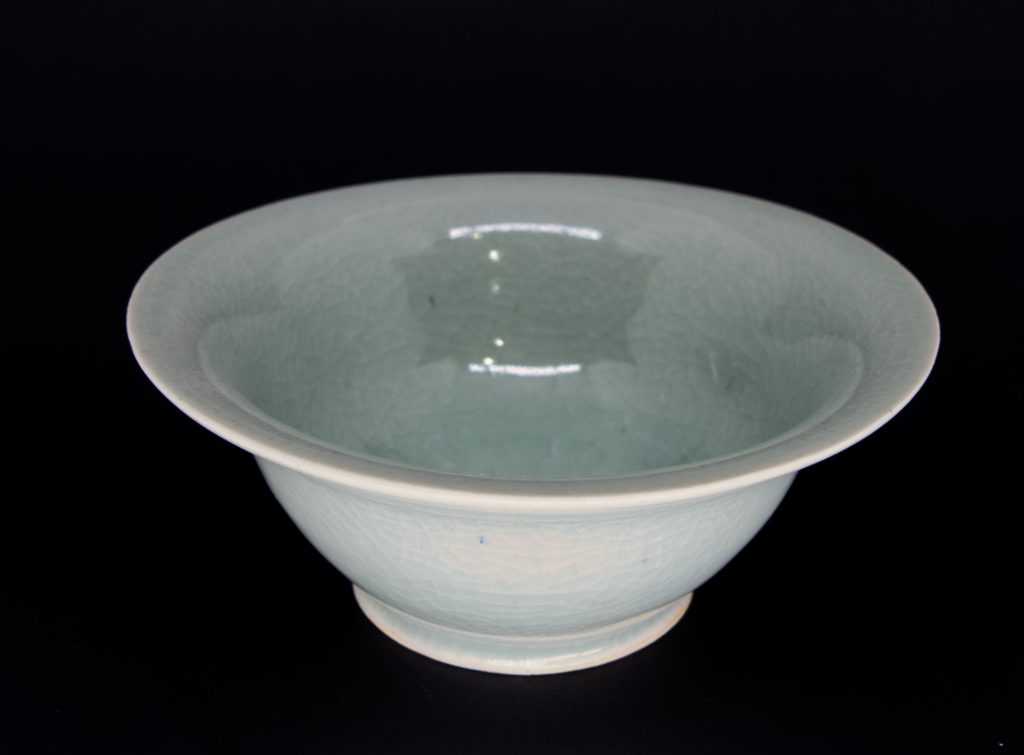
The Flute Shape
This shape, similar to a yunomi, concentrates the aroma and presents a bouquet to the drinker. It works well for strongly aromatic teas such as oolong, floral teas and Earl Grey.
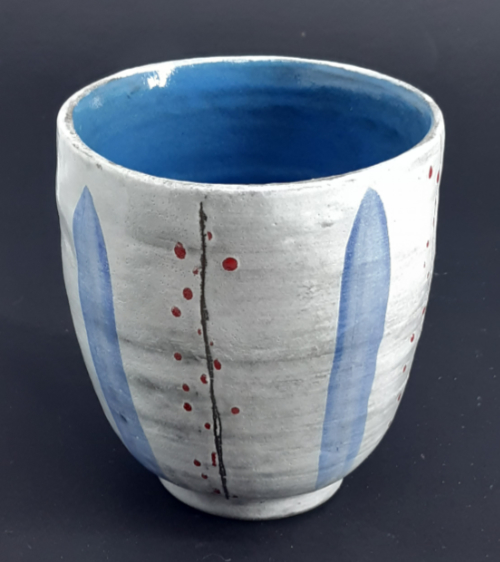
Conclusion
Tea appreciation is a world of its own, and the vessels used are part of the experience. Alongside learning about tea, a good way to find the best vessel is to try several and notice the subtle differences each brings to the drink.
Sources:
http://www.artofjapanesetea.com/tea-utensils/what-is-a-yunomi/
https://www.meimeitea.com/blogs/latest-news/everything-you-ever-wanted-to-know-about-teacup-shapes
About the Author: Gustavo Assis

Related Posts

Gratidão por compartilhar! Adorei o assunto, e conhecer as diferentes formas de tigelas/xícaras usadas!!! ???
Obrigado amiga! Fico feliz que tenha gostado!