
The World’s Porcelain Capital: Jingdezhen

Location map. Source: Wikipedia
History:
It is known as the “porcelain capital” because it has produced ceramics for more than 1,700 years. The city has a well-documented history stretching back as far as 2,000 years.
During the Han dynasty, Jingdezhen was known as Xinping. Historical accounts indicate that the city began making porcelain in that period. In 1004 CE, during the Northern Song dynasty, it was renamed Jingdezhen after the emperor’s reign era, during which its porcelain production became famous.
During the Ming and Qing dynasties, Jingdezhen was considered one of the four most important towns for commerce and industry.
Jingdezhen’s natural resources include kaolin, coal, manganese and lime, but kaolin made the city famous in China and worldwide. For more than a millennium, this distinctive material enabled the production of high-quality porcelain. The name kaolin comes from Gaoling, or Kaoling, a locality in Ehu, Fuliang County, within Jingdezhen.
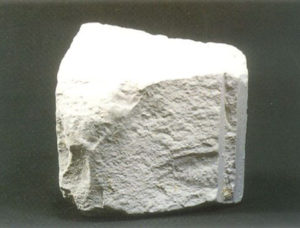
Kaolin ore. Source: http://www.51ci.com/
Climate:
Jingdezhen porcelain is appreciated by collectors worldwide. According to Christie’s, the blue-and-white Yuan-dynasty Guiguzi jar sold in London on 12 July 2005 for £15,688,000, a record price at the time. The sale illustrates the historical standing of these porcelains in the art market, rather than a continually updated ranking of prices.

Bowl with peony decoration. Qingbai porcelain. Jingdezhen. Southern Song dynasty. Source: Wikipedia.
During the Cultural Revolution, Jingdezhen produced large quantities of porcelain Mao badges and statues of Mao Zedong seated.
Source:
- Wikipedia
About the Author: Gustavo Assis

Related Posts

Gosto muito de seus posts. Sobre Jingdezhen vale ler o livro de De Waal, que acaba de sair em português pela Intrínseca: o caminho da porcelana. O título em inglês é The White Road
Olá Iara, muito obrigado pela mensagem e pela sugestão de leitura. Já encomendei o livro e não vejo a hora de lê-lo!