
Art therapy · experience
Clay as Experience
The Body, Material and Possibilities of Expression
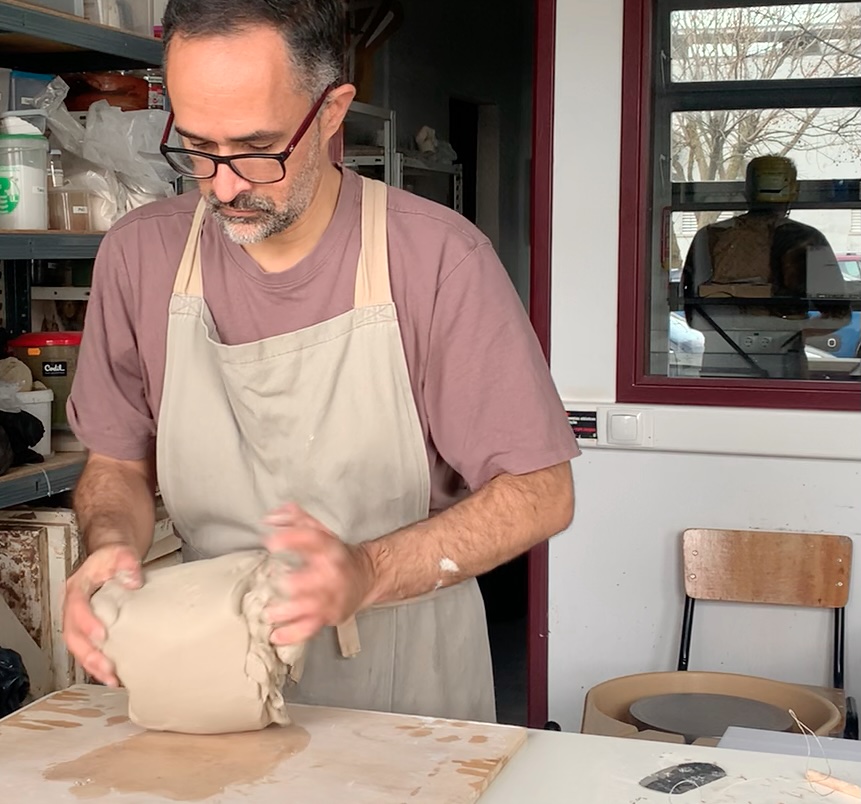
Before taking shape, clay offers an experience of touch. It can feel cool or warm, damp, plastic, sometimes sticky. It yields to the pressure of our fingers, but also resists the movements we try to impose upon it.
01
The First Encounter
When someone is given a piece of clay, there are many ways to begin.
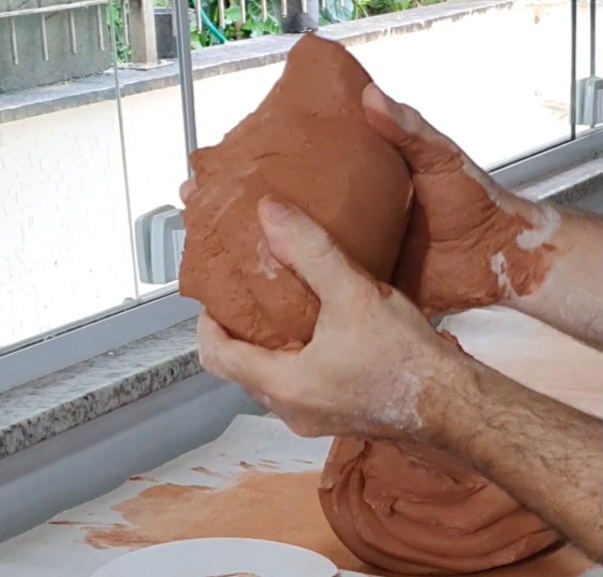
It can be squeezed between the fingers, hollowed out, stretched, or simply held to feel its weight. The surface retains the marks of these gestures.
Contact with clay engages the body in different ways. Its texture and moisture can evoke curiosity, pleasure, unfamiliarity or discomfort. Each person approaches the material through their own experiences and sensitivities.
Clay allows us to observe the consequences of an action in the form it leaves behind. Pressure changes the surface; movement alters its volume. The material temporarily retains these interventions while remaining open to further transformation.
02
Form and Transformation
A figure may emerge without planning, acquire recognisable contours and disappear soon afterwards. While clay remains wet, a form can be undone and begun anew.
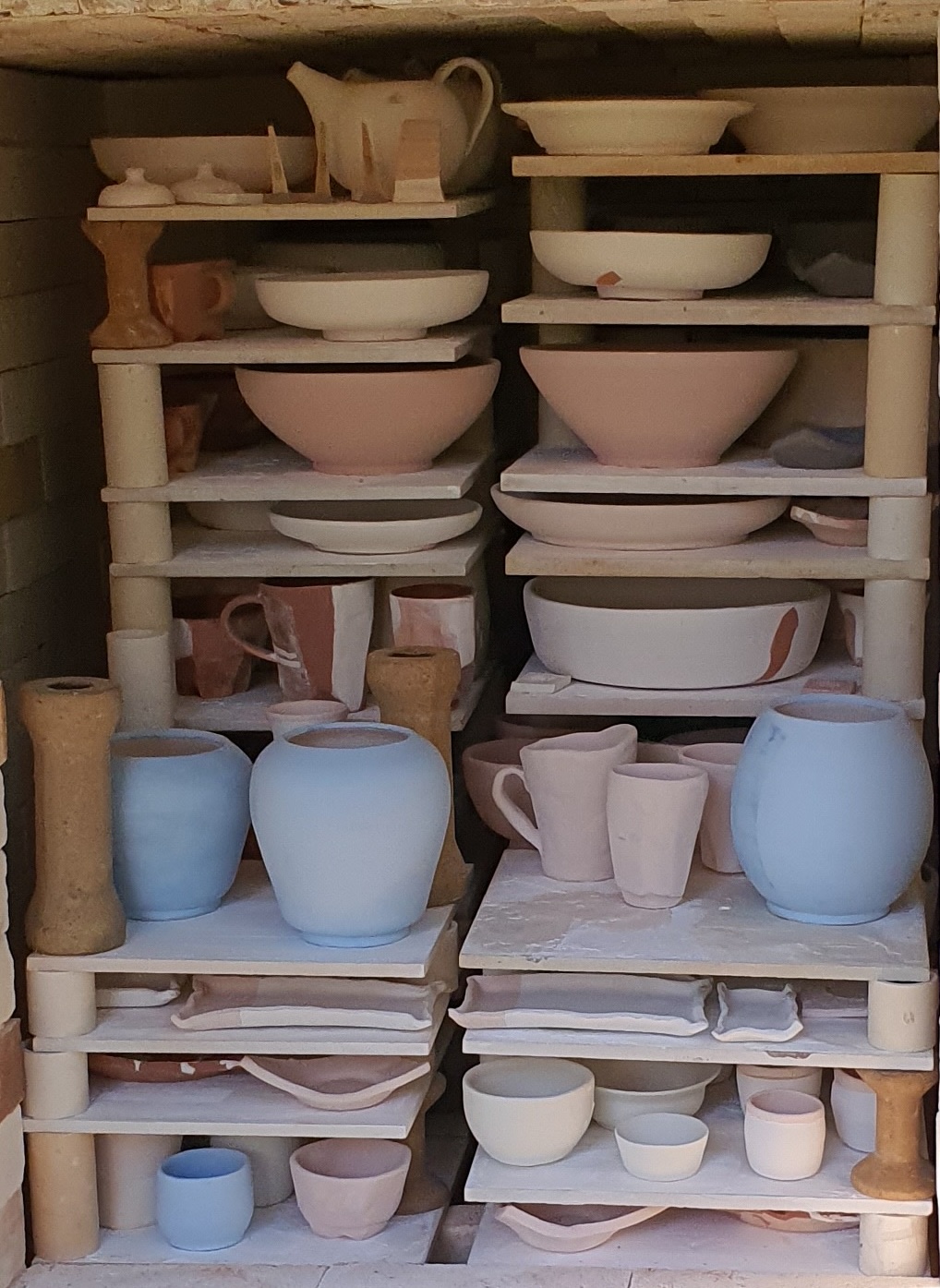
Gradually, however, the material loses its plasticity. Drying changes its properties and makes the piece more fragile. If placed in a kiln, heat brings about irreversible transformations, turning clay into ceramic.
These changes are part of the creative experience. A piece may be carried through to completion, or the work may be interrupted before that point.
As a ceramicist, I know the satisfaction of making an object that may be used for many years. Yet I also recognise the value of an experience that ends without leaving a finished piece.
The value of the work does not necessarily depend on the permanence of its form.
In the studio, I learned to recognise the transformations of clay during preparation and shaping. Over time, I also began to pay attention to what happens during the process, even before an object comes into being.
03
Clay in Art Therapy
Over the years as a ceramics teacher, I have witnessed experiences that went beyond learning a technique. One student was moved when she touched clay for the first time since childhood. Another, seeing her pieces break, recalled the biblical passage from Isaiah: “we are the clay, you are the potter”.
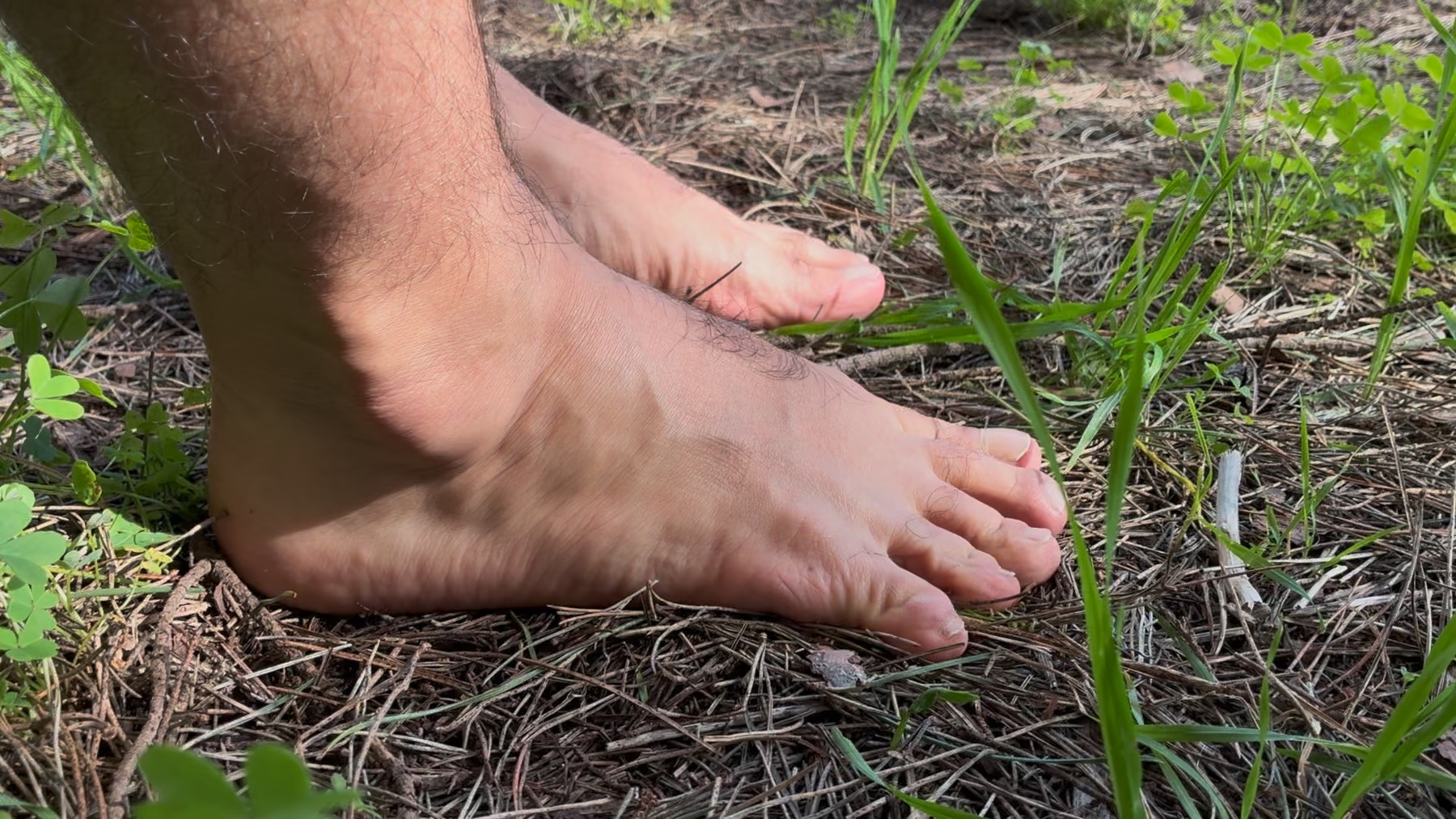
These situations awakened my interest in the symbolic dimension of clay, also present in various creation myths in which earth appears as the material from which human life originates.
During my training in Jungian art therapy, I found a way to investigate these experiences. From this perspective, a symbol does not have a fixed meaning waiting to be deciphered. It may emerge through the relationship between material, gesture and the personal history of the maker.
In art therapy, working with clay forms part of a process that takes each person's individuality into account, respecting their associations and possibilities for expression without imposing interpretations or predetermined outcomes.
About the Research
Clay, Expression and Materiality
A reflection drawing on ceramic practice and studies in Jungian Art Therapy.
Gustavo Teodoro de Assis
Postgraduate Specialisation in Art Therapy and Creative Expressions — IJEP, 2022.
Further Reading
The Importance of Clay in Art Therapy — article published on the blog.
A técnica do cuidado na cerâmica (The Technique of Care in Ceramics) — postgraduate monograph, 2022.