
Art therapy · research
The Practice of Care
Between Material and the Desire to Create
For years, I worked with ceramics as an artist and teacher. Preparing clay, shaping it, overseeing the drying process and firing the pieces required constant attention. A hurried gesture could compromise weeks of work.
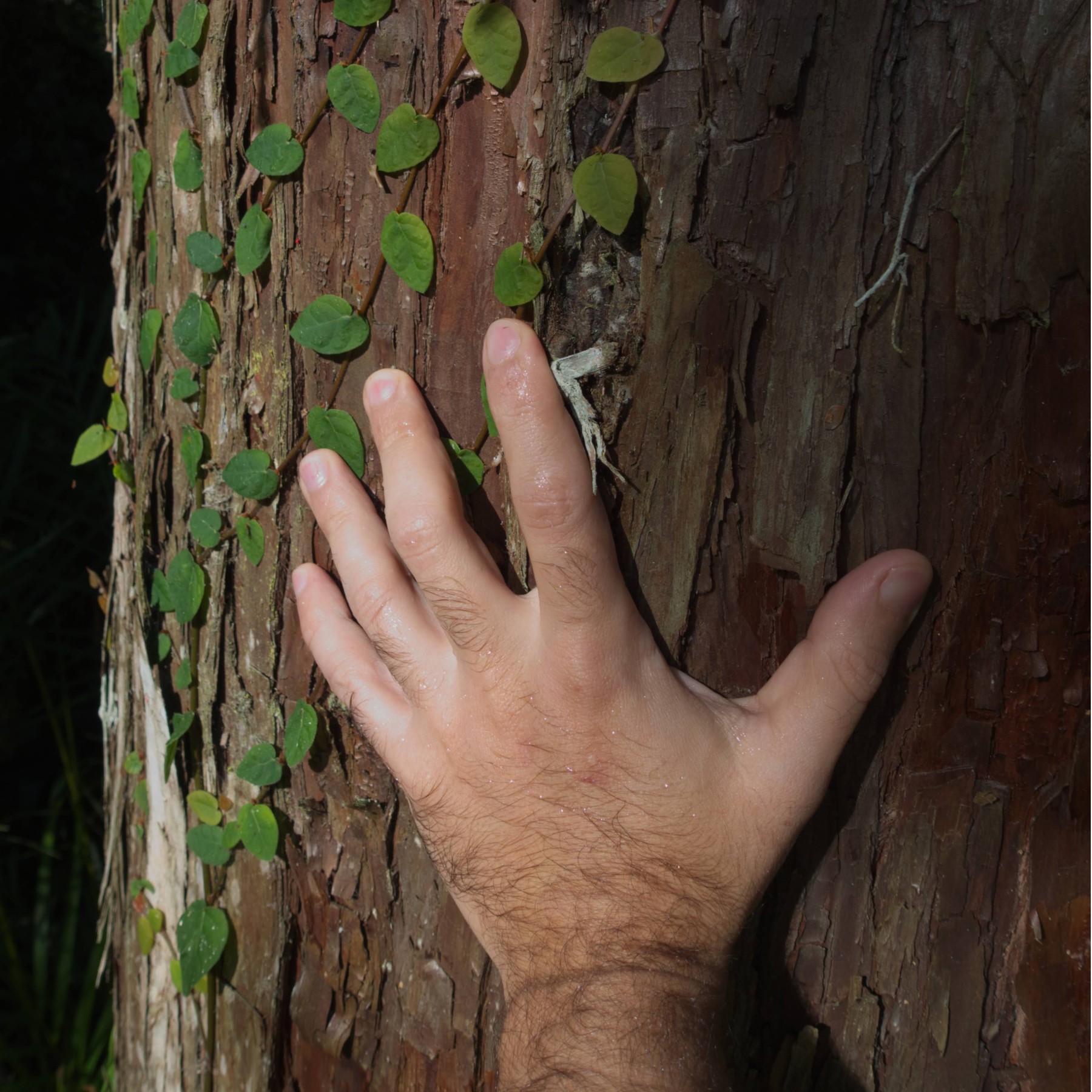
I learned that a piece does not come into being simply when it takes shape. It needs to be accompanied through its transformations, with attention to the conditions of the material.
When I began studying Jungian art therapy, I came to recognise a symbolic dimension in this process. The care I devoted to my pieces acquired a meaning that went beyond achieving a satisfactory result.
This reflection gave rise to my monograph A técnica do cuidado na cerâmica (2022), guided by a question: how can the technical knowledge required in ceramics be reconciled with the freedom of expression of those working with clay?
01
A Story Shaped from Clay
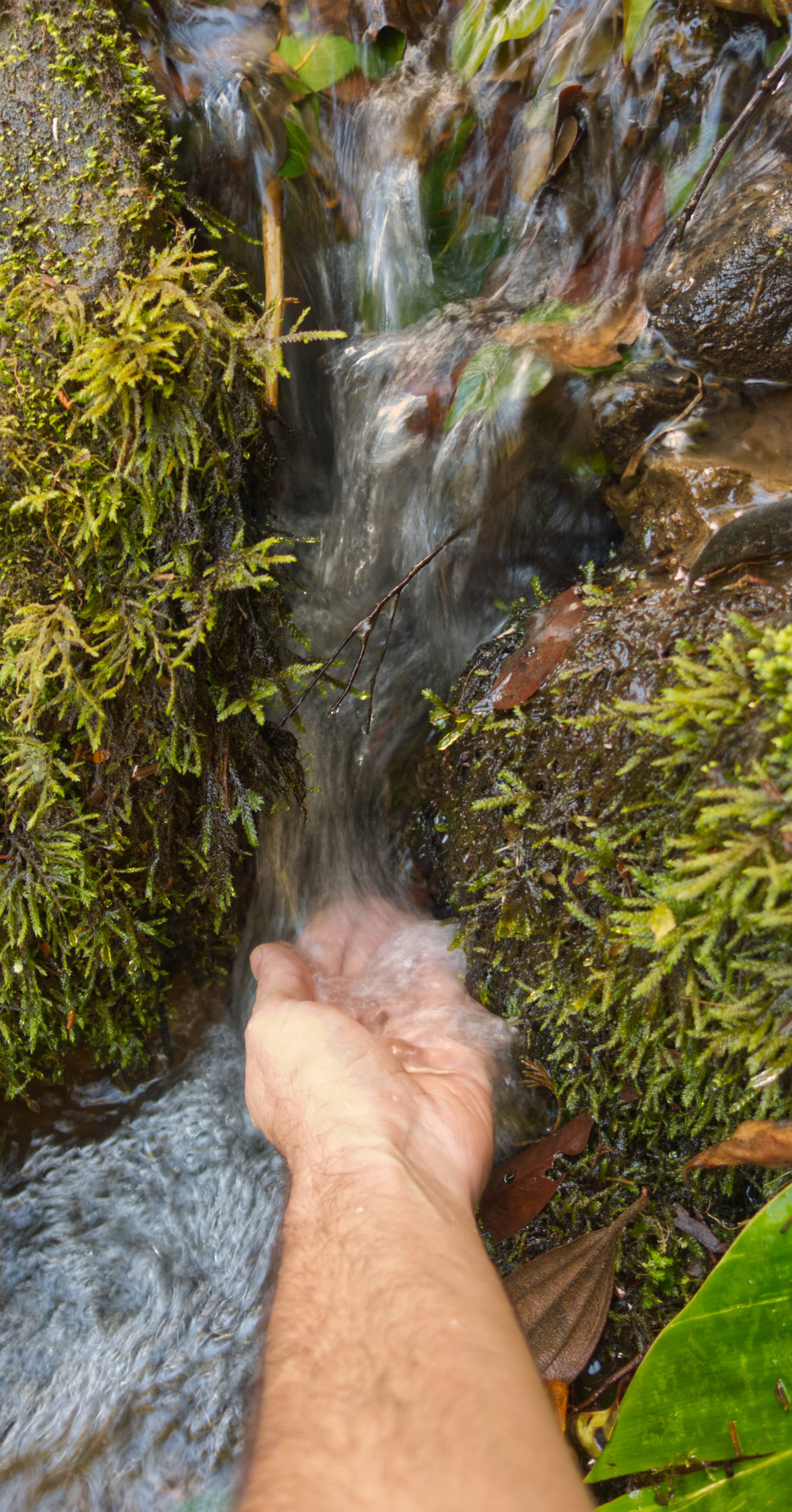
In an ancient fable recounted by Hyginus, Care crosses a river, finds a piece of clay and decides to shape it into a human figure.
Jupiter gives the creature its spirit, while Earth claims a part in its creation, having provided the material. Saturn settles the dispute: after death, the spirit will return to Jupiter and the body to Earth. During its lifetime, however, the creature will remain in the care of the one who first shaped it.
I was particularly interested in this continuity. Care's responsibility does not end when the figure is created.
I found in this story a connection with my experience in ceramics. After shaping a piece, I need to monitor its drying, decide when it can be handled and prepare it for its passage through fire.
In my monograph, I explored the fable as an image through which to reflect on the relationship between creating, accompanying and transforming.

02
Listening to the Material
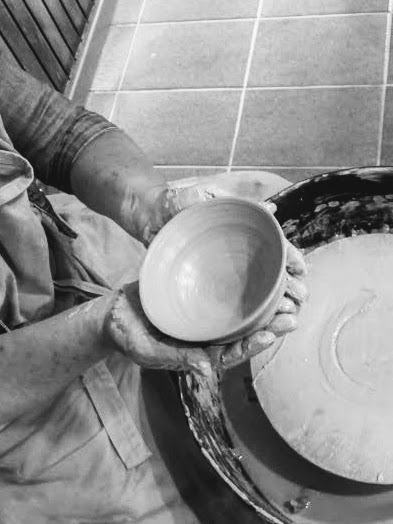
Clay responds to the movements of those who work with it, but it also imposes its own conditions.
When too wet, it may not hold its shape. If it dries too quickly, cracks may appear. During firing, it undergoes transformations that do not always correspond to what we imagined.
Technique allows us to recognise these behaviours and adapt our work to the possibilities of the material. Caring for a piece requires knowing when to intervene and when to wait.
Technical knowledge, however, can also become an imposition when its rules override the intentions of the person creating the work.
As a teacher, I came to realise that guidance can help someone bring an idea into being, but it can also interrupt an experience that was taking a different direction. Technique needs to be chosen according to what the person wishes to create.
03
Accompanying the Creative Process
In art therapy, this question takes on another dimension.
One person may wish to make a lasting object. Another may be interested only in kneading the clay, exploring its textures or repeatedly transforming the same form.
These possibilities call for different ways of accompanying the creative process.
In my 2022 research, I sought to understand how care could guide the choice of techniques, taking into account both the material conditions of ceramics and the wishes of those participating in the activity.
Not everyone needs or wishes to follow the long process from shaping to firing. In some situations, technical guidance allows the experience to progress. In others, it may be more important not to intervene, or to take responsibility for a stage of the work.
Care involves recognising these differences and respecting each person's pace.
This reflection belongs to the field of Jungian art therapy, which has its own professional framework. An artistic activity involving clay does not, in itself, constitute art therapy.
04
Care Continues
By the time I completed my monograph, I had come to understand that the relationship between technique and care extended across both my artistic practice and my experience as a teacher.
When I work with clay, I need to recognise both what I intend to achieve and what the material allows. When I accompany another person, their interests and their path may differ from my own.
Care does not offer a single solution. It requires attention and decisions that may change throughout the process.
A piece that never reaches the kiln may still have been part of a meaningful experience. Likewise, a technically accomplished object does not, in itself, reveal what the experience meant to its maker.
The fable of Hyginus remains an important image for me: creating something is the beginning of a relationship whose continuity requires care.
About the Research
A técnica do cuidado na cerâmica (The Technique of Care in Ceramics)
Gustavo Teodoro de Assis
Postgraduate monograph in Art Therapy and Creative Expressions
Instituto Junguiano de Ensino e Pesquisa (IJEP)
Rio de Janeiro, 2022
Bibliographical research into ceramic technique, symbolism and care in Jungian art therapy.
Further Reading
Ceramics: Technique, Symbolism and Functionality in a Jungian Approach — a blog article adapted from the second chapter of the monograph.