
Advantages and Disadvantages of Plaster Moulds in Ceramics
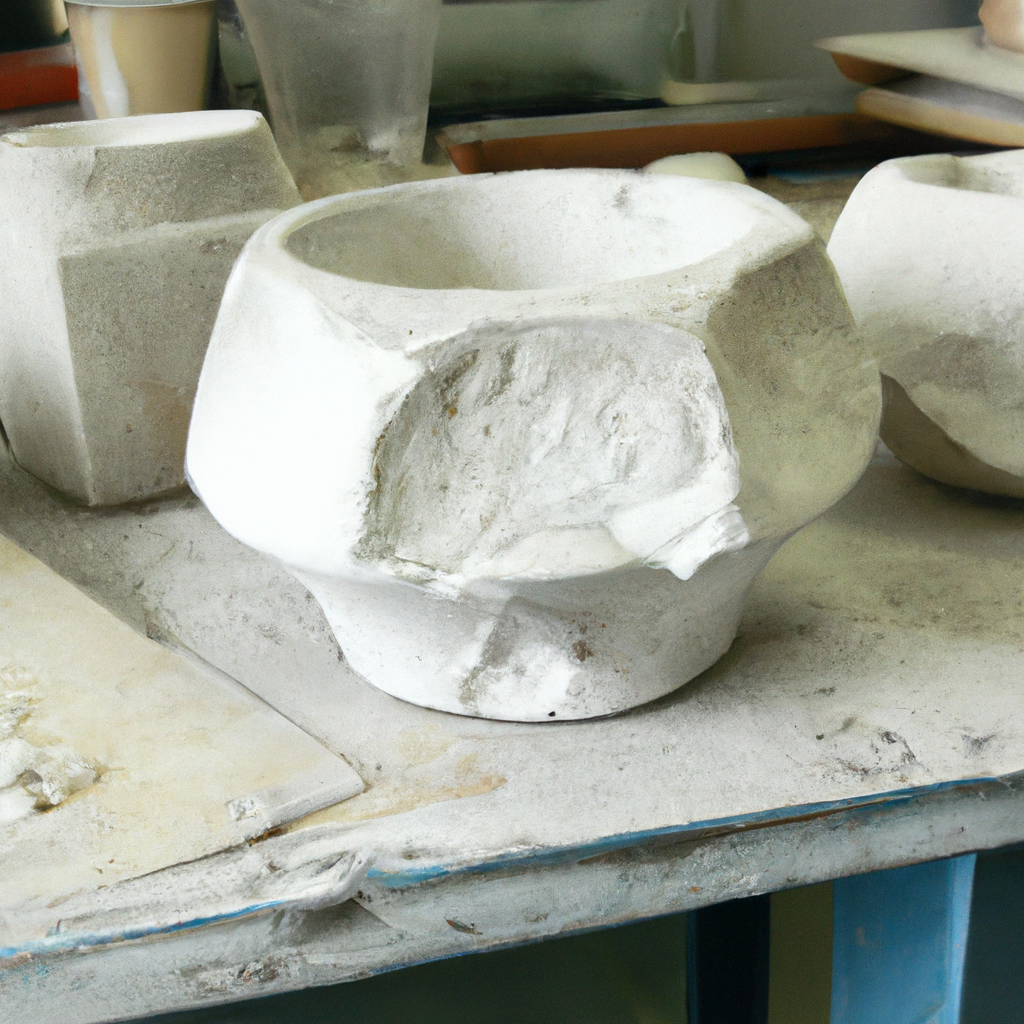
Hello everyone! My post about plaster moulds is very popular on the blog, and I regularly receive questions about it. Plaster-mould casting is widely used in ceramics, particularly in semi-industrial studios, to make complex, detailed objects quickly and efficiently.
In brief, the method involves pouring liquid clay, known as casting slip, into a plaster mould and allowing the mould to absorb water from it, forming a layer of clay against the mould surface.
Although slip casting offers several advantages, it also has its limitations.
In this post I would like to explore the pros and cons of this method so that you can decide whether it suits your studio.
Let us begin!
The Advantages of Plaster Moulds:
1. Reproducibility: Slip casting allows ceramic objects to be mass-produced with consistent dimensions and detail. Once made, a mould can be used repeatedly to produce identical pieces, ensuring uniformity within a production line.
2. Complex Forms: The method makes it possible to produce intricate, complex forms that may be difficult to achieve with other techniques. The fluid slip can flow into even the smallest mould details, producing precise, intricate designs.
3. Efficiency: Slip casting is an efficient technique for producing large quantities of ceramic objects. As the slip fills the entire mould, it minimises waste and makes the most of the material. This can be particularly useful for tableware production.
4. Thin Walls: Slip casting can produce ceramic objects with thin, uniform walls. This is particularly useful for vases or thin-walled decorative pieces, where consistent thickness can be difficult to achieve by other methods.
The Disadvantages of Plaster Moulds:
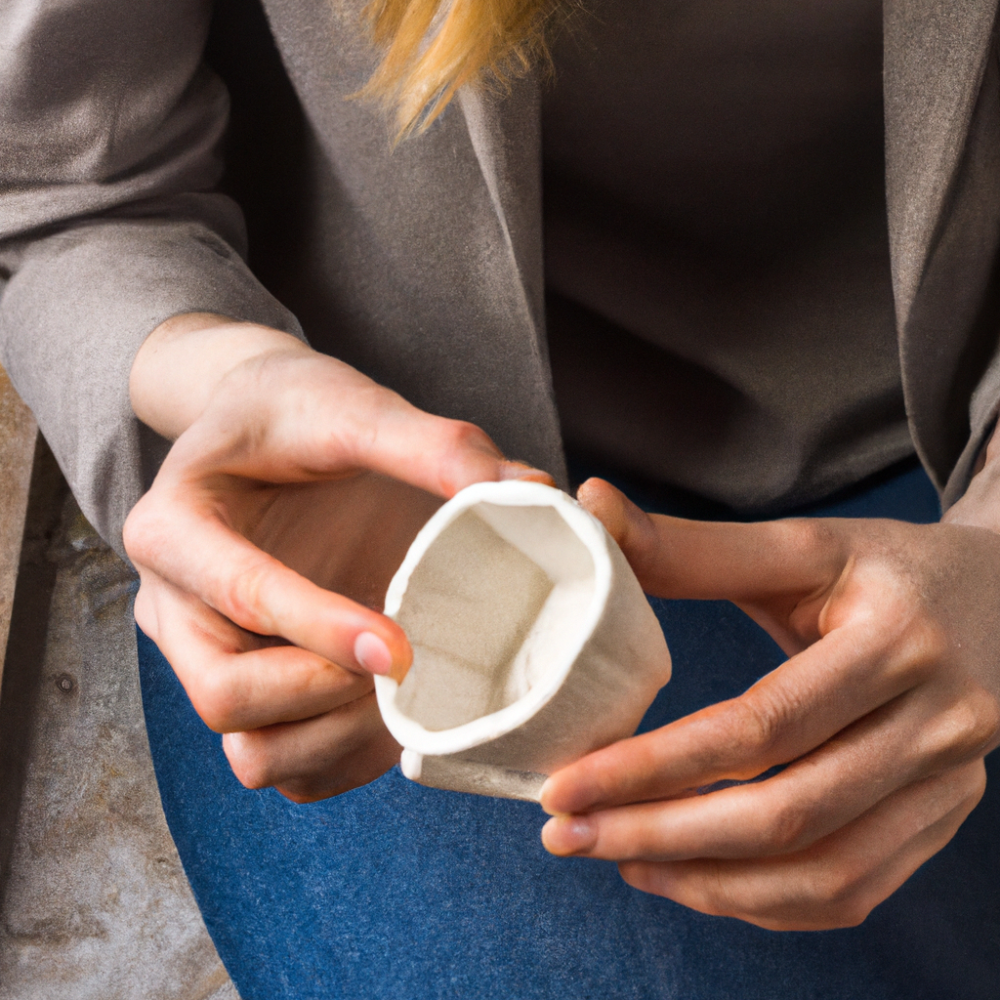
1. Limited Design Flexibility: Slip casting depends on mould construction and the ability to remove the piece without damaging it. Depending on the geometry, a mould may require one or more parts; the choice is not necessarily limited to two. These conditions can restrict certain details and forms.
2. Time-Consuming Mould Making: Making the initial plaster mould for slip casting can be time-consuming and labour-intensive. It involves making a prototype and then a mould from it, often with several adjustments to achieve the desired result. The mould may also need maintenance and repair over time.
3. Drying and Shrinkage: Slip-cast objects undergo substantial shrinkage during drying and firing. This can distort or deform the final product if not carefully controlled. Extra care is needed during drying and firing to minimise these problems. Also, because the particles in casting slip have not been aligned, handling can cause distortion after firing.
4. Preparing and Selecting Materials (Casting Slip): Plaster-mould casting requires a clay body prepared to flow into the mould without an excessive water content. Adjusting slip fluidity takes knowledge and work. Some clays may also be less suitable for slip casting, limiting the choice of materials.
The advantages and disadvantages of slip casting can vary with the specific context and requirements of a ceramic project. Before investing in this technique, I therefore recommend learning about other forming methods, such as throwing and handbuilding.
Until next time!
About the Author: Gustavo Assis

Related Posts


Excelente artigo!