
Ceramic Glaze Theory – Part I
Introduction
Hello everyone! I have been away from the blog for a while, but now I would like to introduce a subject that is very important to us potters: ceramic glaze.
The subject is rather technical and extensive, so I will divide it into several posts to keep it manageable. I will explain the technical aspects in language accessible to anyone with a basic understanding of chemistry.
Definition
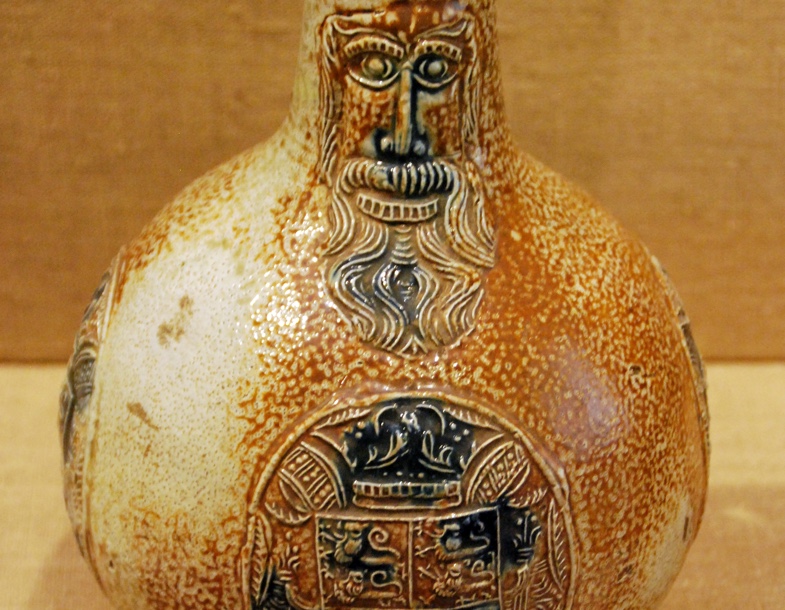
Glaze is a glassy layer bonded to clay through firing. It helps keep the whole piece clean and also enhances its appearance.
Today, we consider a glaze to fulfil its function when its three main components: glass former, flux and stabiliser work together to create an attractive coating suited to its maker’s purpose.
Composition
The main component of a glaze is the glass former, while the flux and stabiliser play supporting roles. The glass former consists mainly of silica, or silicon oxide. Its very high melting point (1,710º C) requires an extremely hot and costly firing. Adding fluxes was found to bring about melting at a substantially lower temperature.
The problem with this mixture of glass former and flux is that the glaze flows very easily during firing. Most ceramic pieces have vertical walls, increasing the tendency for gravity to draw the glaze downwards. This is where the stabiliser comes in: it slows the glaze’s flow by increasing its viscosity.
John Britt uses a car analogy to describe these three components. The glass former is the car itself, the main component; the flux is the accelerator and the stabiliser the brake. Chinese potters compared glaze components with the bones, flesh and blood of the body. Silica, the glass former, provides the structure, like our bones. The stabiliser is the flesh that gives the glaze body, while the fluxes make it melt, like blood.
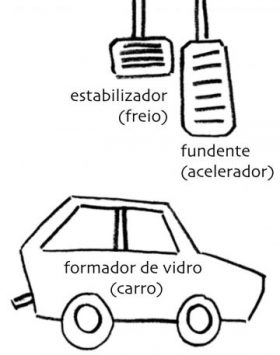
It is essential to remember this basic composition and the role of each component, because all further study of glazes builds on it. You may find it helpful to remember whichever analogy makes the concept easiest to grasp.
The most common chemical constituents used in these components are:
- glass formers: silica, boron and phosphorus pentoxide;
- fluxes: alkali-metal oxides (lithium oxide, sodium oxide and potassium oxide), alkaline-earth oxides (magnesium oxide, calcium oxide and barium oxide), and metal oxides that react with silica during firing to form silicates, such as zinc oxide, lead oxide and boron oxide;
- stabilisers: alumina (aluminium oxide).
I will explain more about the chemical constituents of glazes in the next post. For now, let us move on to…
The Origins of Glazes
Some authors date the earliest glazes to before 12,000 BCE, identifying them on glazed beads from ancient Egypt. The Egyptians discovered that mixing sand or sandstone with salt caused the ingredients to fuse when fired. This technique became known as Egyptian paste, or Egyptian faience. By around 3,000 BCE, the Egyptians were using glazes extensively. These were alkaline copper glazes, skilfully used as decorative coatings. Later, in southwestern Asia, glazes gave additional strength and durability to bricks, wall tiles and pots. By around 1,500 BCE, glazes were already being used as practical, hygienic, waterproof coatings.

Knowledge that soluble salts crystallise on the surface during drying, contributing to glaze formation, was used to develop glazes applied like slips, or liquid clays. Lead glazes helped avoid difficulties associated with soluble salts, and in the 18th century the solubility of alkaline fluxes was successfully addressed through the use of frits.
Ceramic frits are a basic material used in low-fire glazes. They are produced from mixtures of raw materials that undergo various physical and chemical changes when fired.
Lead-based glazes have also been used in China since at least 200 BCE. Their development ran alongside the better-known glazes of porcelain and other high-fired wares. High-fire glazes arose from the observation that wood ash acted as a flux on the surface of pottery. Glazes made from wood ash, clay and feldspars then came into use on high-fired clay bodies. Improvements in kiln construction allowed higher temperatures, and refined examples were already being produced by the 10th century.

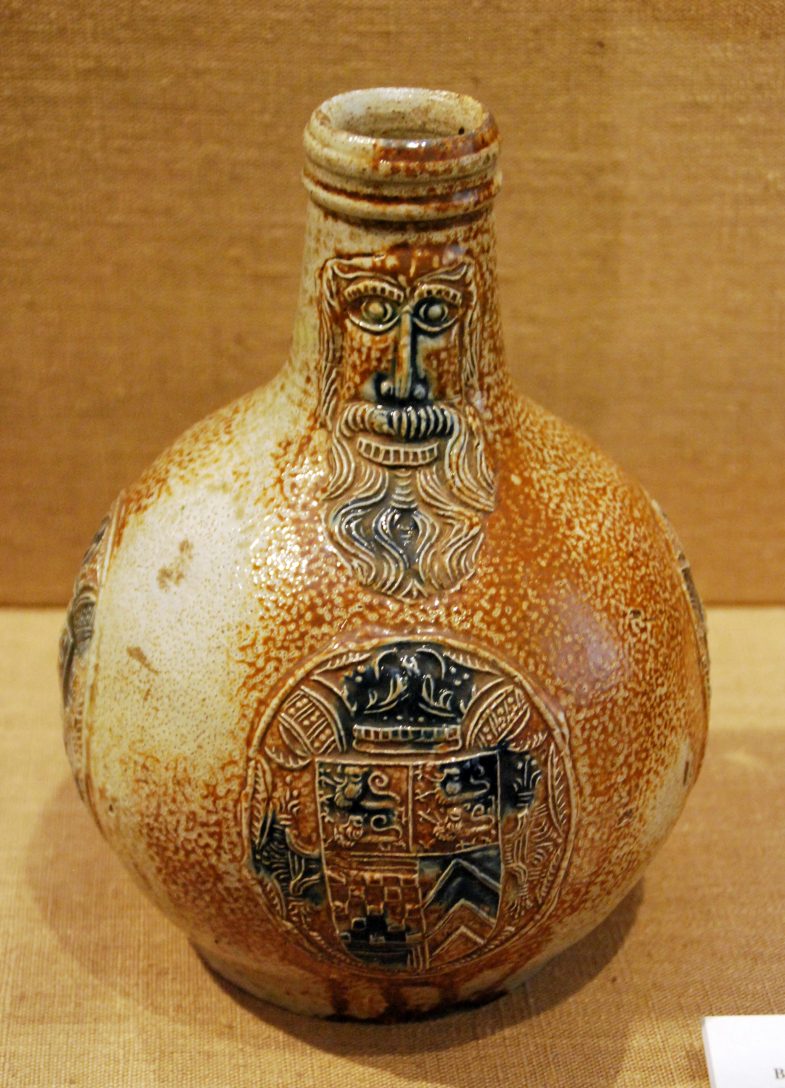
In Europe, lead-based glazes developed separately from high-fire salt glazes. Salt glazing involved introducing ordinary salt into a hot kiln. Lead oxide was used from the 12th to the 17th century, applied as a ground mineral to a still-wet piece or damp slip. Mixing glaze raw materials with water and applying the mixture to pottery did not become common practice in England, for example, until the 18th century. This practice spread slowly through Europe from Islamic countries.
Today, potters have countless glazes suited to a wide range of clay bodies and firing temperatures, thanks to the extensive research of our predecessors and the scientific knowledge that has helped us understand how glazes work.
Next week, I will write more about glaze chemistry.
Until then!
Sources:
- Fernandes, Tácito. Teoria de prática de esmaltes. https://www.facebook.com/notes/tcito-fernandes/teoria-de-prtica-de-esmaltes/2247493835871/
- Britt, John.The Complete Guide to Mid-Range Glazes. Ed. Lark, NY.
- Goring, Holly. Low-fire Glazes and Special Projects. Ceramic Arts Handbook Series.
- Hamer, Frank and Janet. The Potter’s Dictionary: of Materials and Techniques. Sixth edition. Bloomsbury.
About the Author: Gustavo Assis

Related Posts

Muito bom e esclarecedor! Parabéns!
Obrigado Selene pela leitura!
Gustavo,
Congratulations!
Perfeito, como tudo q vc faz!
Estou encaminhando para
minhas alunas!
Muito obrigado Fátima!
Boa tarde Gustavo, estou iniciando na cerâmica e seu blog foi um “achado”. Muito obrigado e boa sorte!
Muito obrigado pela leitura e apoio. Boa sorte nos estudos!
Comecei o hoje a ler sobre esmaltes, aqui no blog. Estou adorando a aula, Gustavo. Obrigada
Oi Bel! Obrigado pela leitura!
Já li o primeiro capítulo. Excelente. Obrigado por compartilhar conhecimento tão específico e milenar.
Obrigado Eudes pela leitura!
muito obrigada por compartilhar seus conhecimentos conosco, Excelente artigo
Thank you very much for reading!
Muito bom o seu texto! Obrigada por compartilhar o conhecimento!
Thank you very much for reading!
Obrigada pelos ensinamentos tão didáticos .
Maravilhoso !
Thank you very much for reading!
Perfeito! Gratidão por compartilhar conhecimentos.
Thank you very much for reading!
Excelente artigo ! Gratidão por compartilhar !
Obrigado Ivana pela leitura!
Hola, empezaré a leer tus artículos,gracias por compartir tus conocimientos. Bendiciones
Obrigado Juana pela leitura!
Obrigada pelo ótimo artigo, Gustavo.
Eu que agradeço pela leitura!
Muito bacana! Obrigada por dividir esse conhecimento.