Japanese Arita Porcelain
Hello! After a break from the blog, I am returning with this post about Arita porcelain. These wares are made around Arita in Nishimatsuura district, Saga prefecture, on the Japanese island of Kyūshū. […]

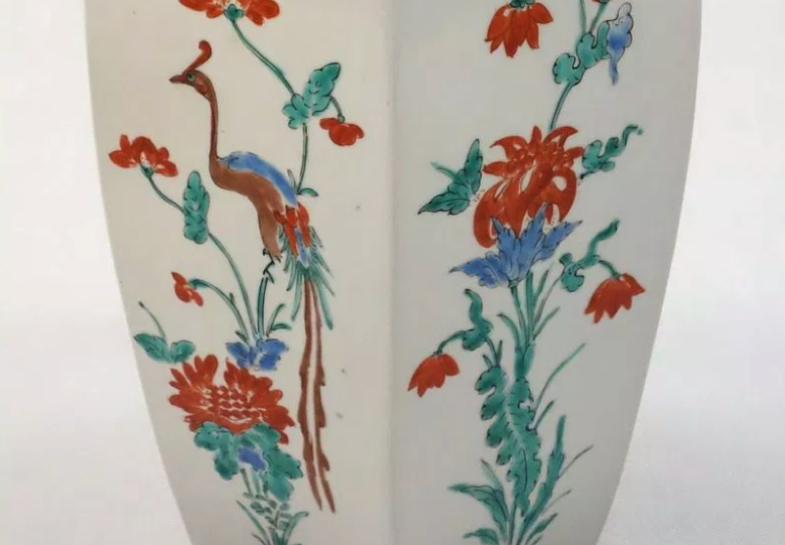
Hello! After a break from the blog, I am returning with this post about Arita porcelain. These wares are made around Arita in Nishimatsuura district, Saga prefecture, on the Japanese island of Kyūshū. […]
Many materials burn or melt in the heat of a ceramic kiln. Plant ash is among the most traditional glaze ingredients, especially in East Asian ceramics, and is associated with celebrated glazes such as celadon, chun and tenmoku. […]
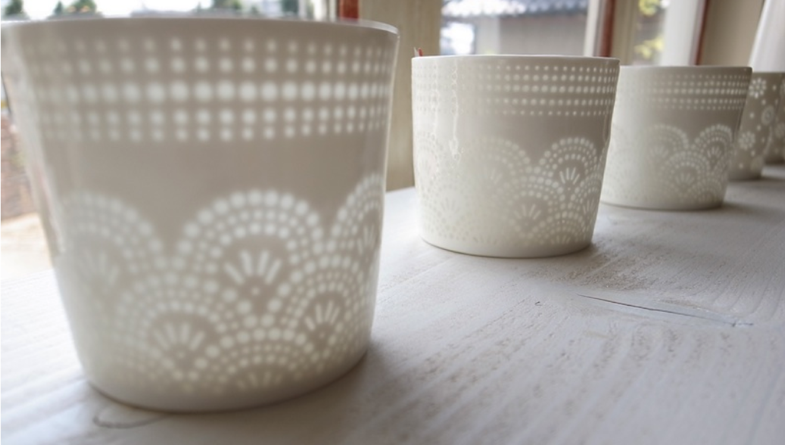
Hotaru-de, literally “firefly hand”, involves piercing a ceramic piece, covering it with glaze and firing it. The glaze closes the openings in the surface, producing the distinctive decorative effect discussed in this article. […]
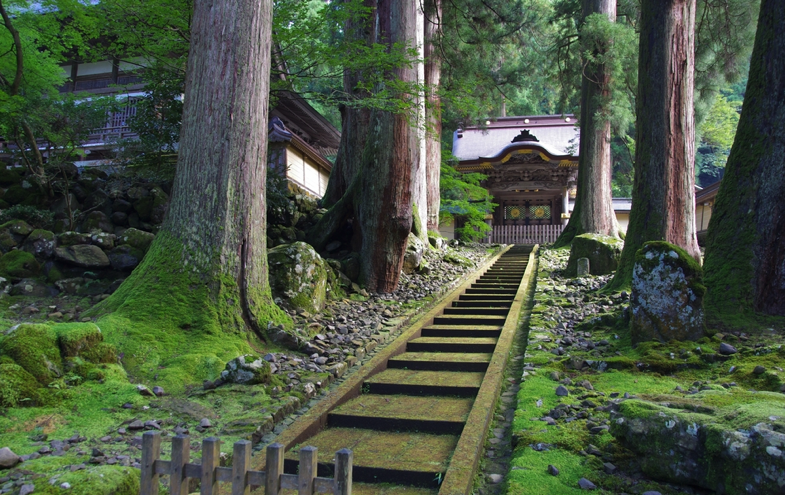
Continuing my exploration of Japanese aesthetics, I turn to shibui. Drawing on Sōetsu Yanagi, I discuss the tea ceremony, the appreciation of chawan and the relationships between restraint, simplicity and the Buddhist ideal of beauty.
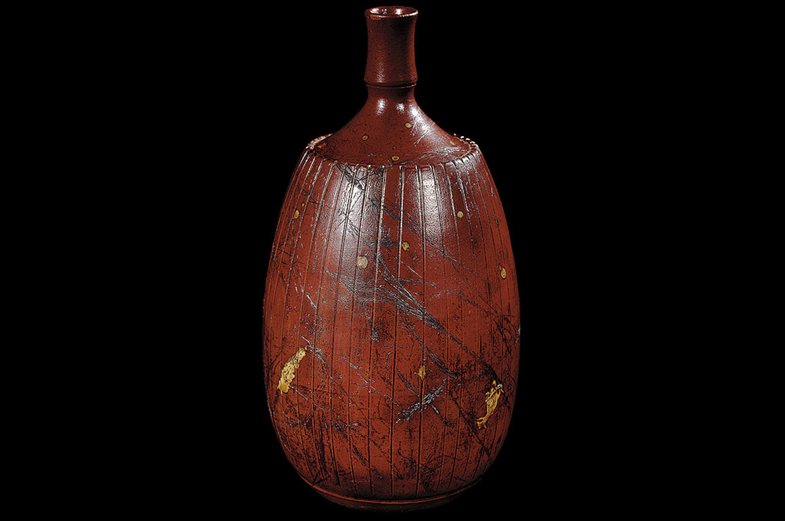
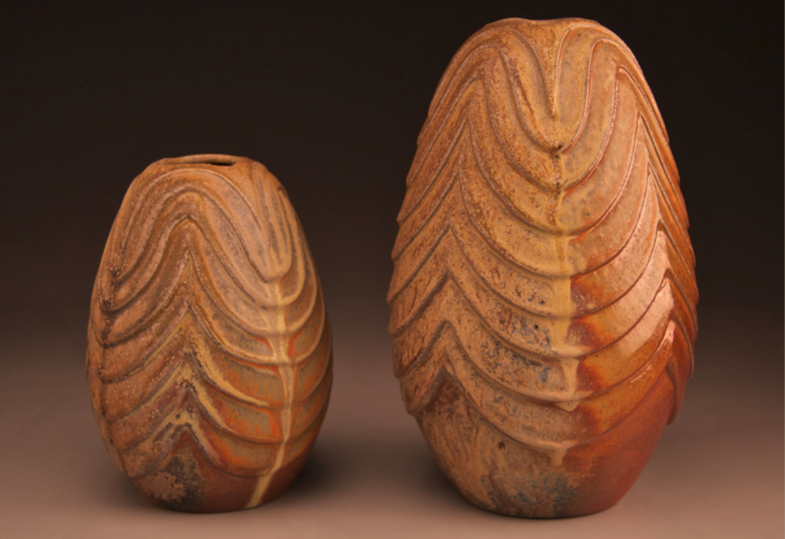
Hello! Last week we explored the elegance of Chinese Song-dynasty ceramics. Today we will consider the strength of Japanese Bizen ware, whose origins lie in high-fired Sue ceramics from the Kofun period, dated here to the 3rd–7th centuries CE. […]
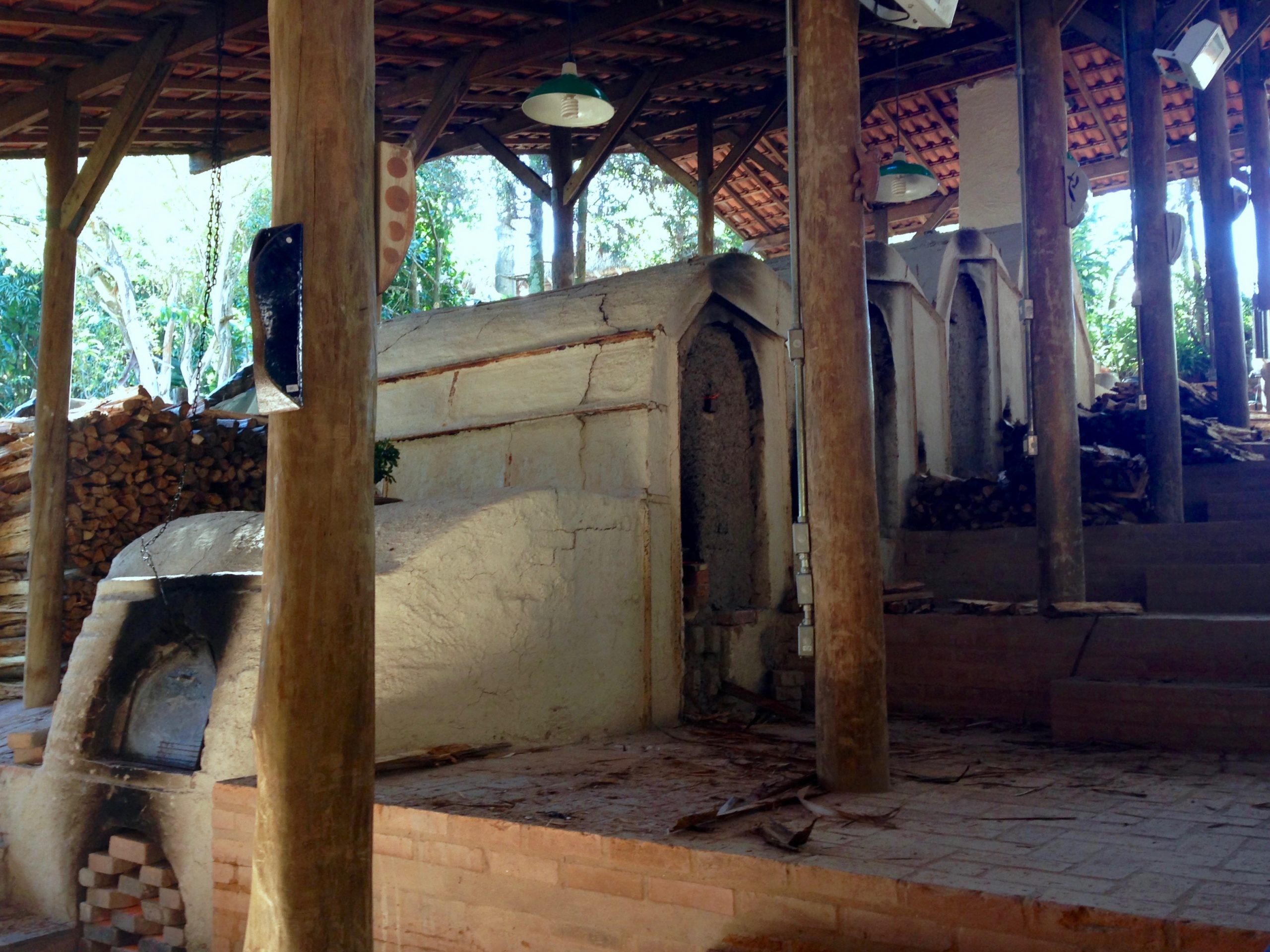
Hello! At the end of June I visited the Suenaga e Jardineiro studio near Cunha, São Paulo, Brazil. The town has become a centre for studio and artistic ceramics. The studio is run by potters Kimiko Suenaga and Gilberto Jardineiro. […]
After living in Japan for three years, I realise I have only scratched the surface of Japanese culture. Through wabi-sabi, translation and the reflections of tea master Sōshin Kimura, I explore how understanding aesthetic ideas can deepen our appreciation of Japanese ceramics.
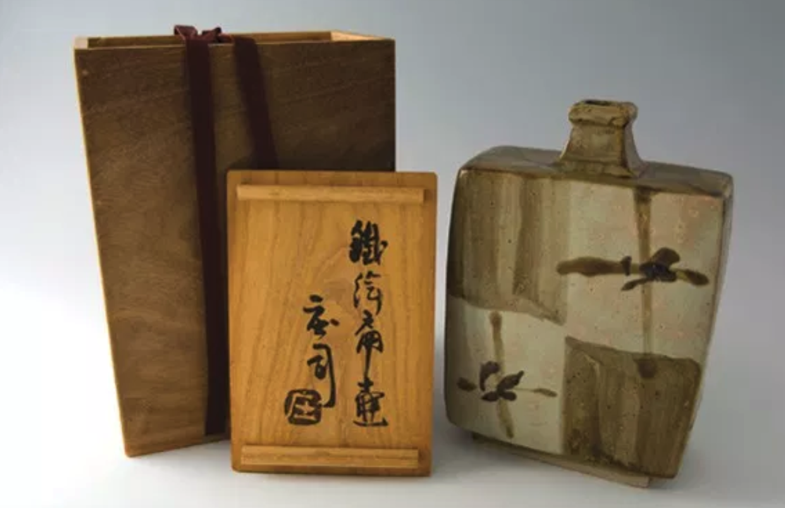
In the West, a box is often overlooked once a gift or purchase has been unpacked. We may see it simply as packaging to discard, telling us little about its contents beyond their name or type. A tomobako offers another perspective. […]
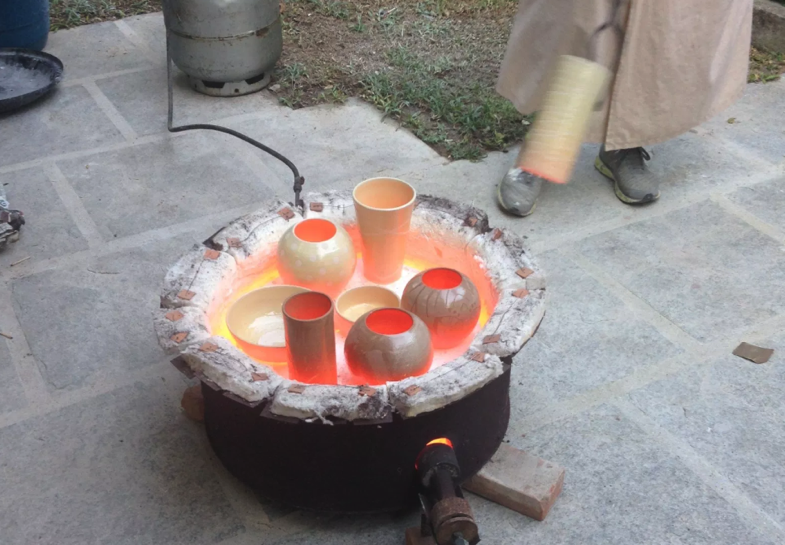
Hello! As I explained in the previous post, Raku practice differs between Japan and the West. Here I will share my own Raku experience in Brazil, at Newton de Mello’s studio in Barra da Tijuca, Rio de Janeiro. […]
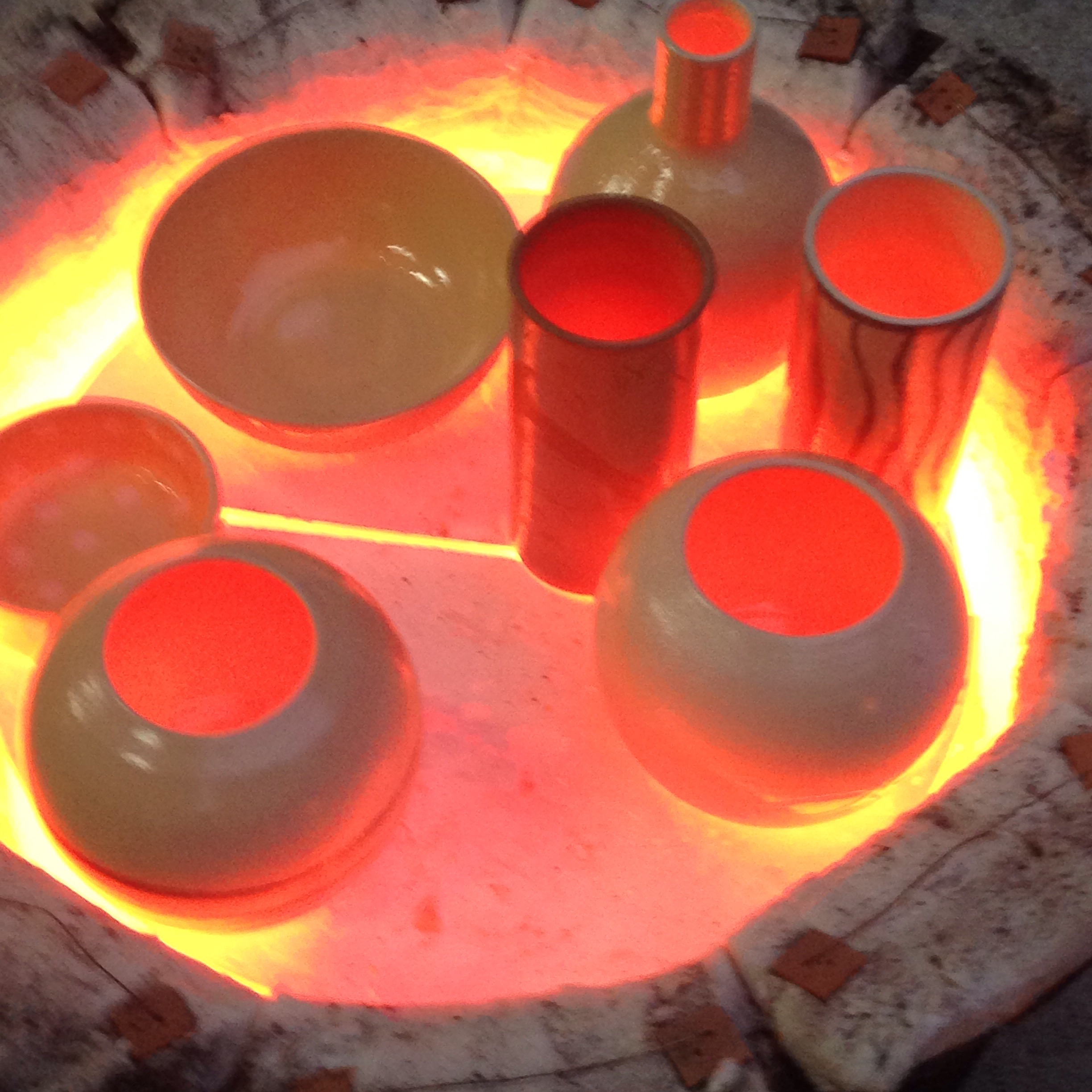
Hello! I am starting this blog to share knowledge about ceramics. We are surrounded by them—in bathrooms, kitchens and floors—often without noticing. Here, however, I would like to explore their artistic dimension, the origins of techniques and the fascination of transforming materials. […]