My experience with ash glazes
A few months ago, I wrote about ash glazes. Recently, I have had some good results in this area and wanted to share the latest developments with you.

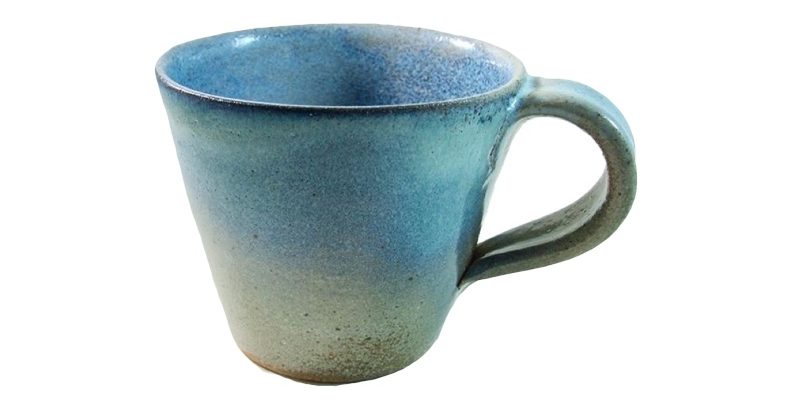
A few months ago, I wrote about ash glazes. Recently, I have had some good results in this area and wanted to share the latest developments with you.
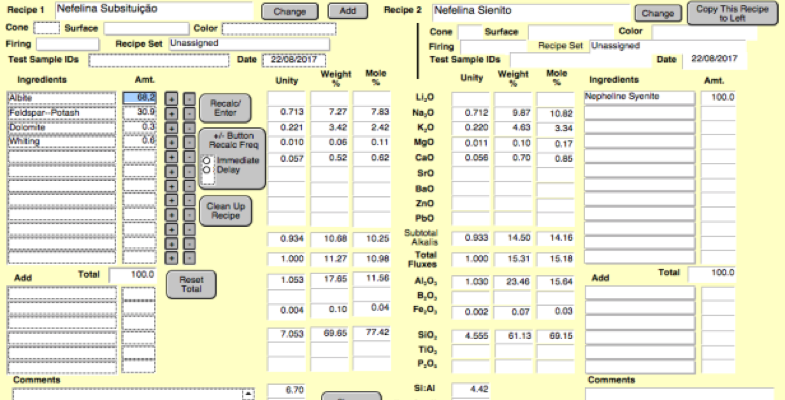
Hello everyone! Imagine finding a promising glaze recipe online, only to discover that it uses an ingredient difficult to obtain in Brazil. There is a way to approach this problem through raw-material substitution and glaze-calculation software. […]
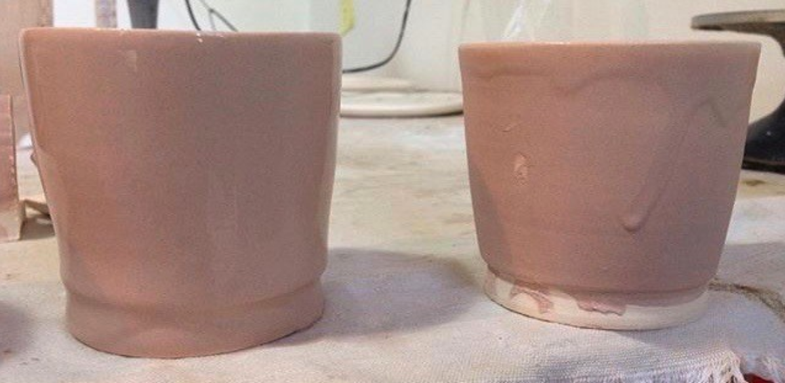
Hello everyone! This post is a little more technical, but I hope it helps potters having trouble applying glazes. A glaze may seem too thick or too thin, prompting us to add or remove water. But there are other factors to consider. […]
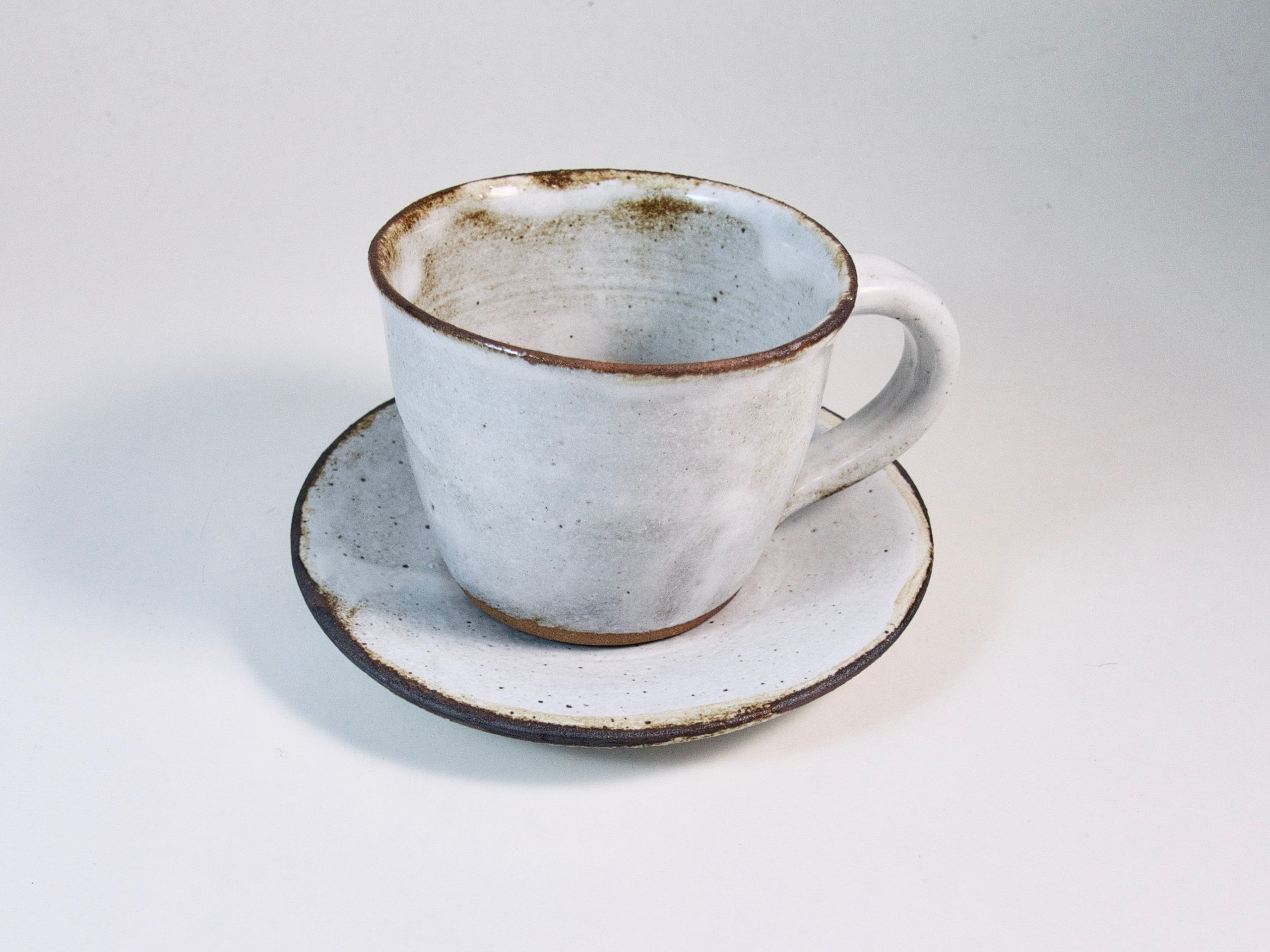
Hello! I am sharing the results of my first firing. It took place in a gas-fired kiln, with an indicated target of 1,220°C and cone 6 on the middle shelf. Temperature readings and cone bending provide complementary information about the firing. […]
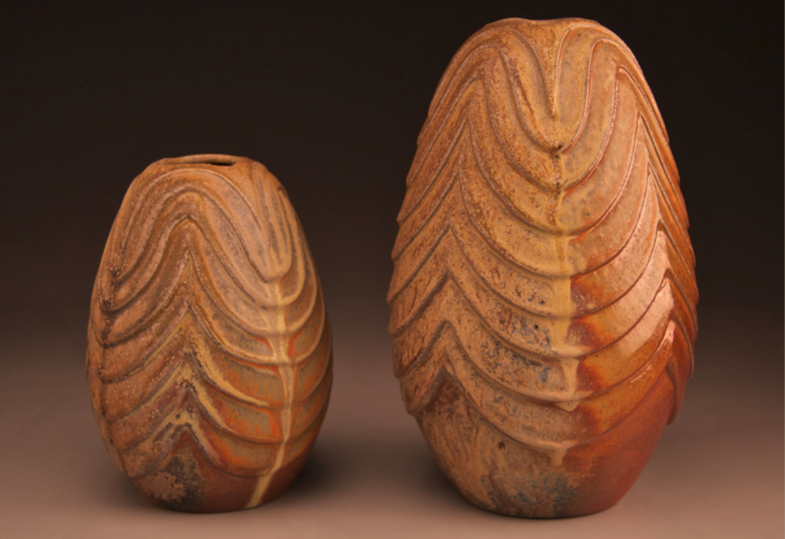
Many materials burn or melt in the heat of a ceramic kiln. Plant ash is among the most traditional glaze ingredients, especially in East Asian ceramics, and is associated with celebrated glazes such as celadon, chun and tenmoku. […]
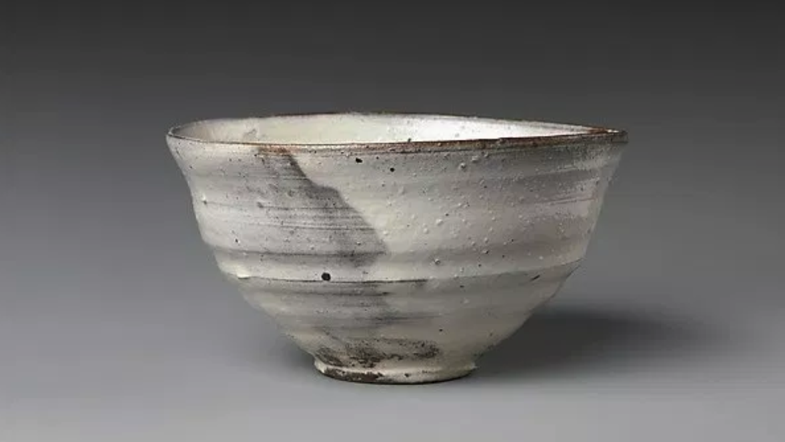
What is kohiki? This technique developed in the Korean peninsula in the 15th and 16th centuries, during the Joseon dynasty. It belongs to a family of ceramics with an overall white appearance. […]
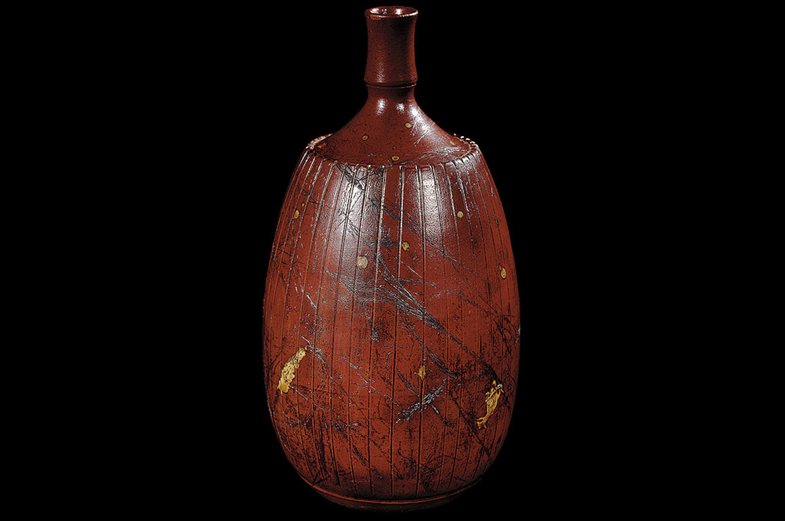
Hello! Last week we explored the elegance of Chinese Song-dynasty ceramics. Today we will consider the strength of Japanese Bizen ware, whose origins lie in high-fired Sue ceramics from the Kofun period, dated here to the 3rd–7th centuries CE. […]
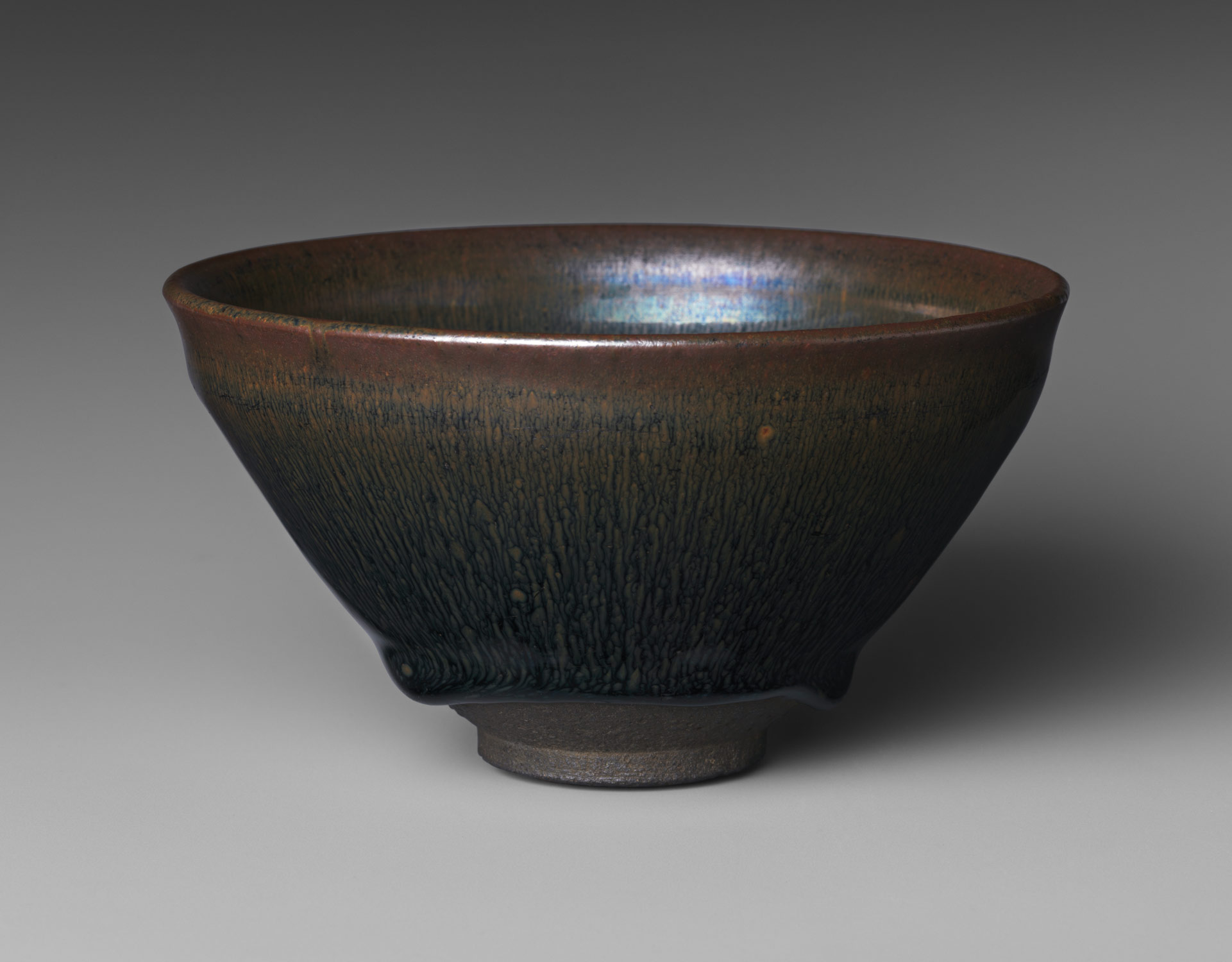
Hello! In the previous post I introduced Song ceramics from northern China. Today I will explore representative wares from the south, where celebrated kiln centres developed during the Song dynasty, including Jingdezhen. […]
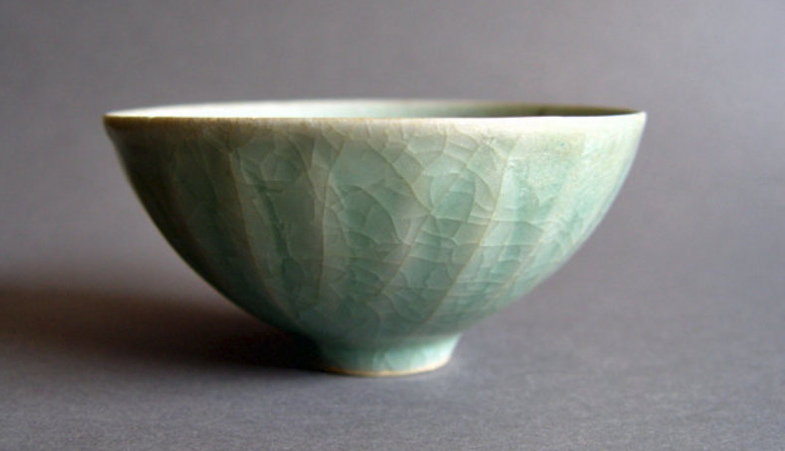
Bernard Leach described the Song dynasty as one of ceramics’ noblest achievements. Other authors likewise call it a golden age. Studying the subject, I was struck by the extraordinary pieces, diverse techniques and range of production. […]
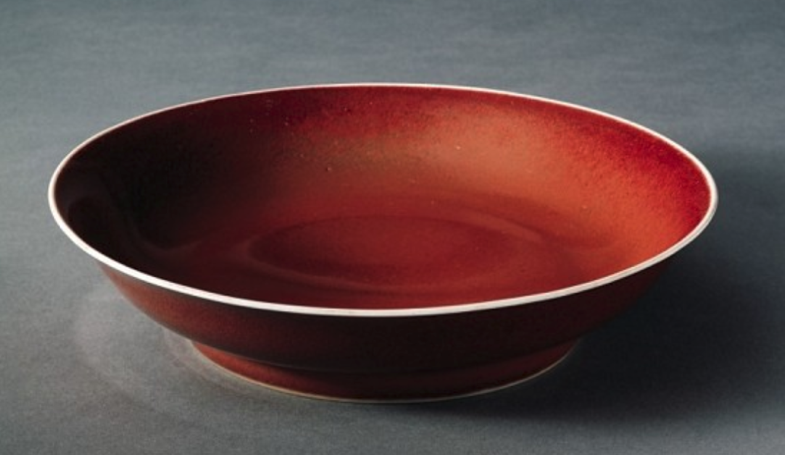
The method for making oxblood glaze was probably discovered during the Wanli reign (1573–1620) in China. Early examples are rare. Initially difficult to control, the process was mastered during the Kanxi and Qianlong reigns of the Qing dynasty, according to the account presented here. […]