Japanese Arita Porcelain
Hello! After a break from the blog, I am returning with this post about Arita porcelain. These wares are made around Arita in Nishimatsuura district, Saga prefecture, on the Japanese island of Kyūshū. […]

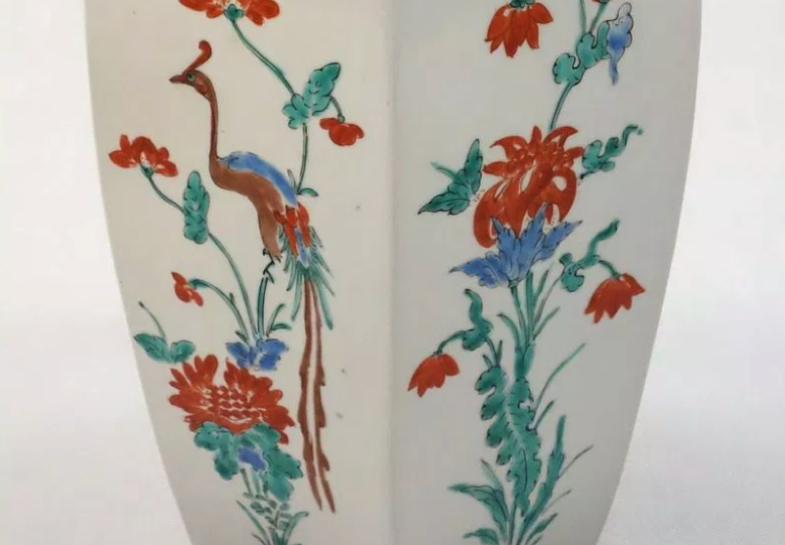
Hello! After a break from the blog, I am returning with this post about Arita porcelain. These wares are made around Arita in Nishimatsuura district, Saga prefecture, on the Japanese island of Kyūshū. […]
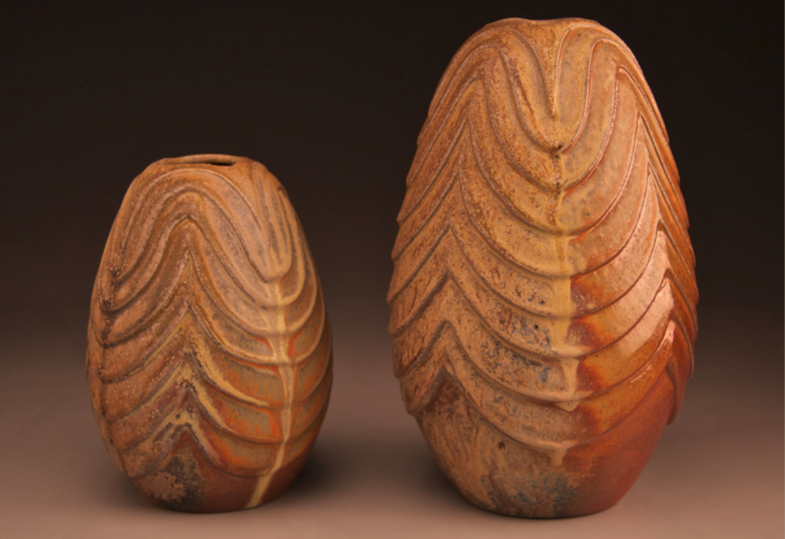
Many materials burn or melt in the heat of a ceramic kiln. Plant ash is among the most traditional glaze ingredients, especially in East Asian ceramics, and is associated with celebrated glazes such as celadon, chun and tenmoku. […]
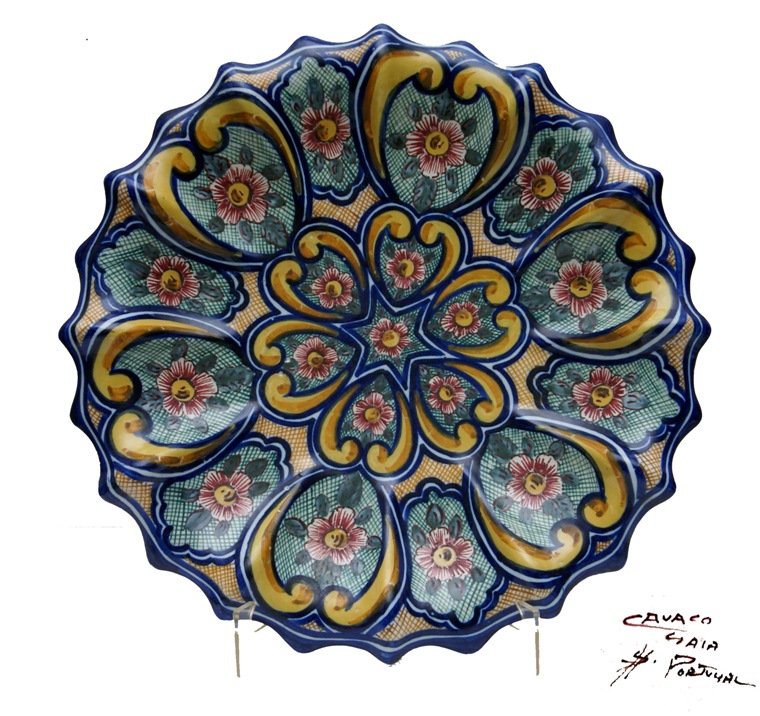
Hello! I would like to introduce Portuguese faience, a ceramic tradition that greatly influenced Brazil. Its porous body is usually coated with a glaze opacified by tin oxide, creating a white ground for painted decoration. […]
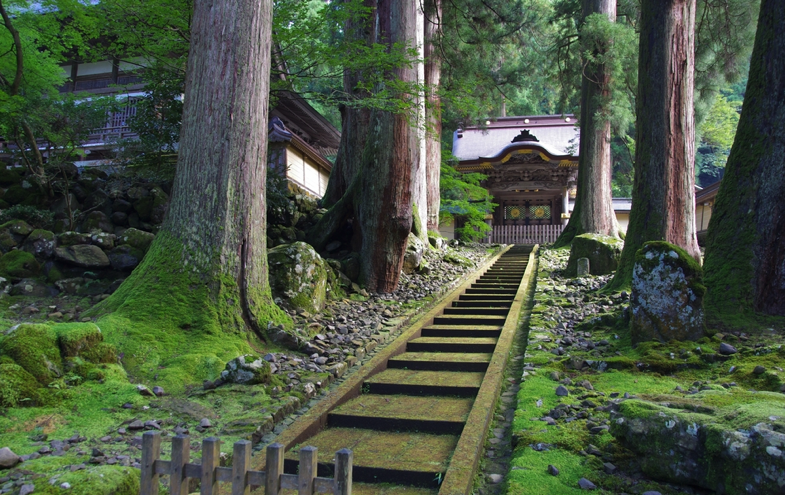
Continuing my exploration of Japanese aesthetics, I turn to shibui. Drawing on Sōetsu Yanagi, I discuss the tea ceremony, the appreciation of chawan and the relationships between restraint, simplicity and the Buddhist ideal of beauty.
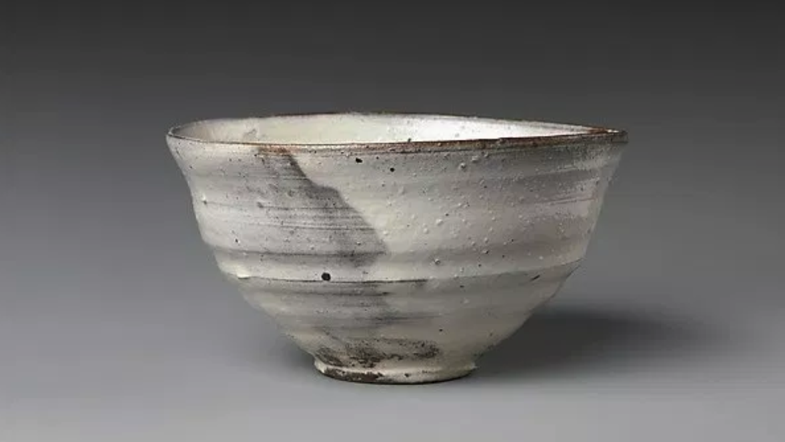
What is kohiki? This technique developed in the Korean peninsula in the 15th and 16th centuries, during the Joseon dynasty. It belongs to a family of ceramics with an overall white appearance. […]
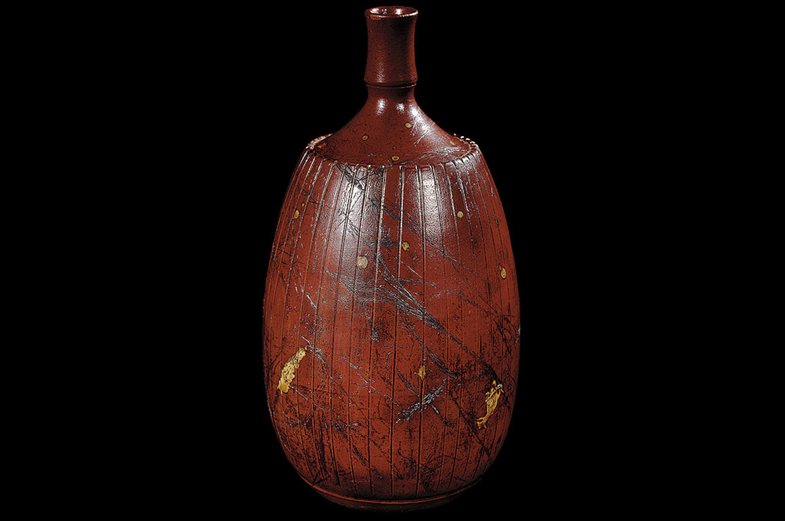
Hello! Last week we explored the elegance of Chinese Song-dynasty ceramics. Today we will consider the strength of Japanese Bizen ware, whose origins lie in high-fired Sue ceramics from the Kofun period, dated here to the 3rd–7th centuries CE. […]
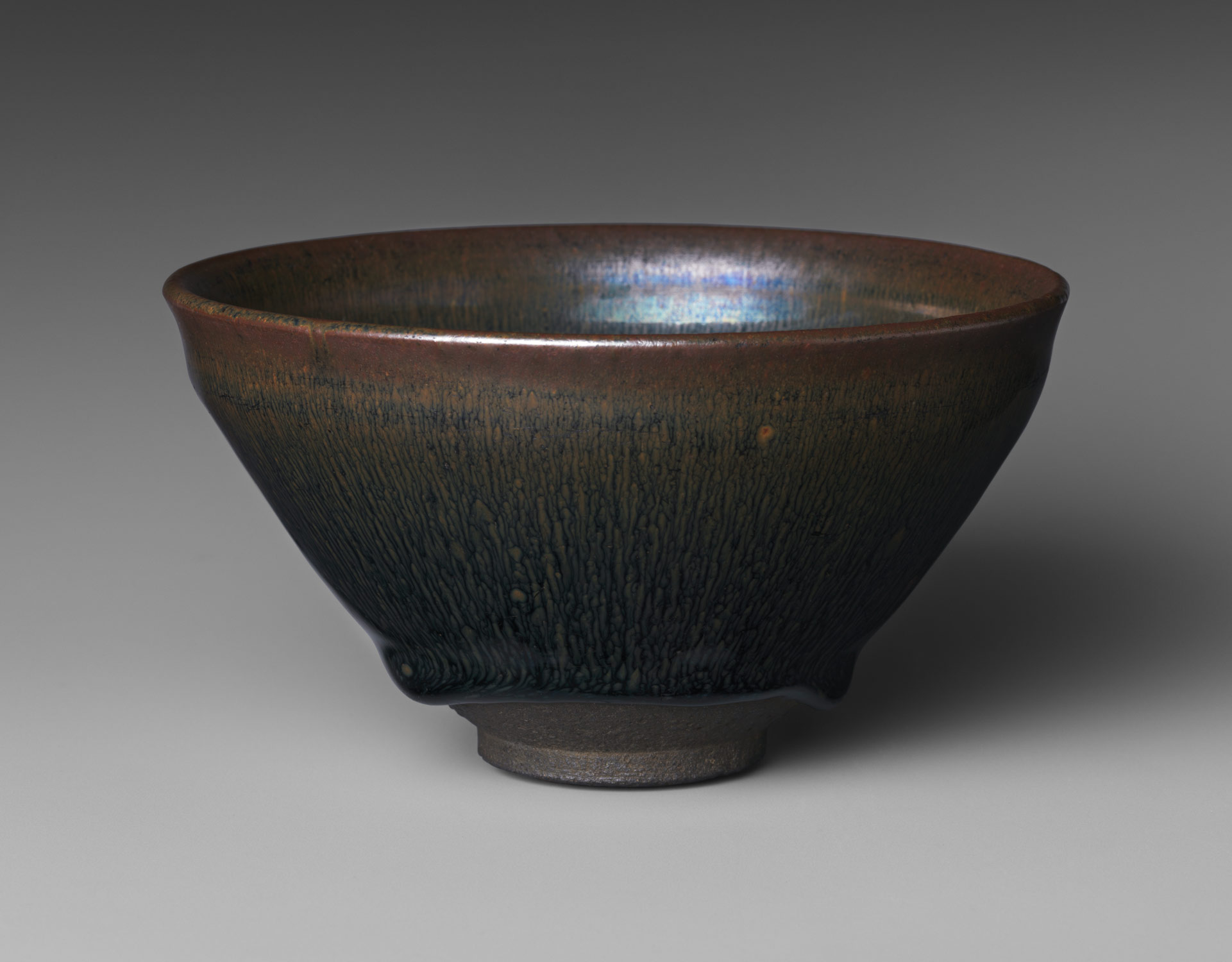
Hello! In the previous post I introduced Song ceramics from northern China. Today I will explore representative wares from the south, where celebrated kiln centres developed during the Song dynasty, including Jingdezhen. […]
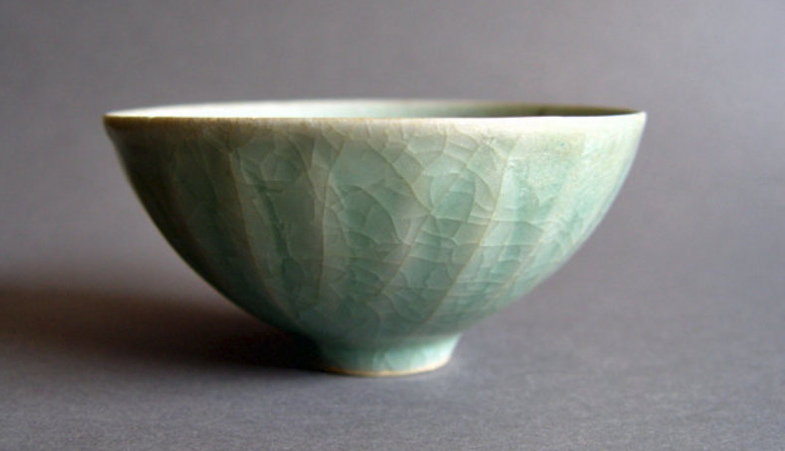
Bernard Leach described the Song dynasty as one of ceramics’ noblest achievements. Other authors likewise call it a golden age. Studying the subject, I was struck by the extraordinary pieces, diverse techniques and range of production. […]
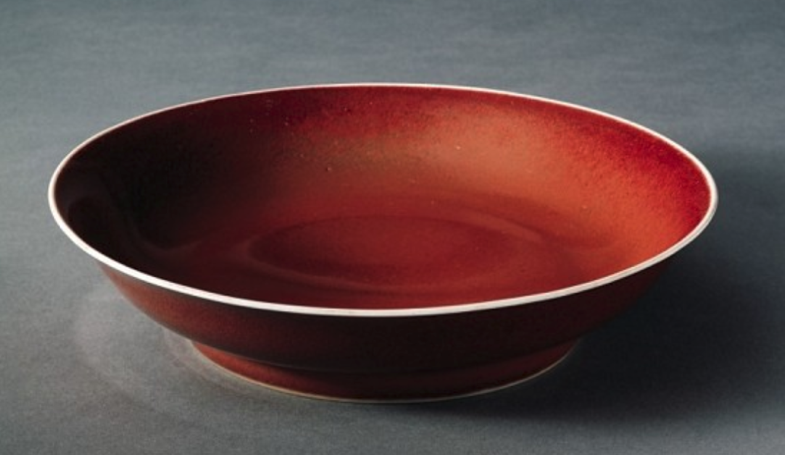
The method for making oxblood glaze was probably discovered during the Wanli reign (1573–1620) in China. Early examples are rare. Initially difficult to control, the process was mastered during the Kanxi and Qianlong reigns of the Qing dynasty, according to the account presented here. […]
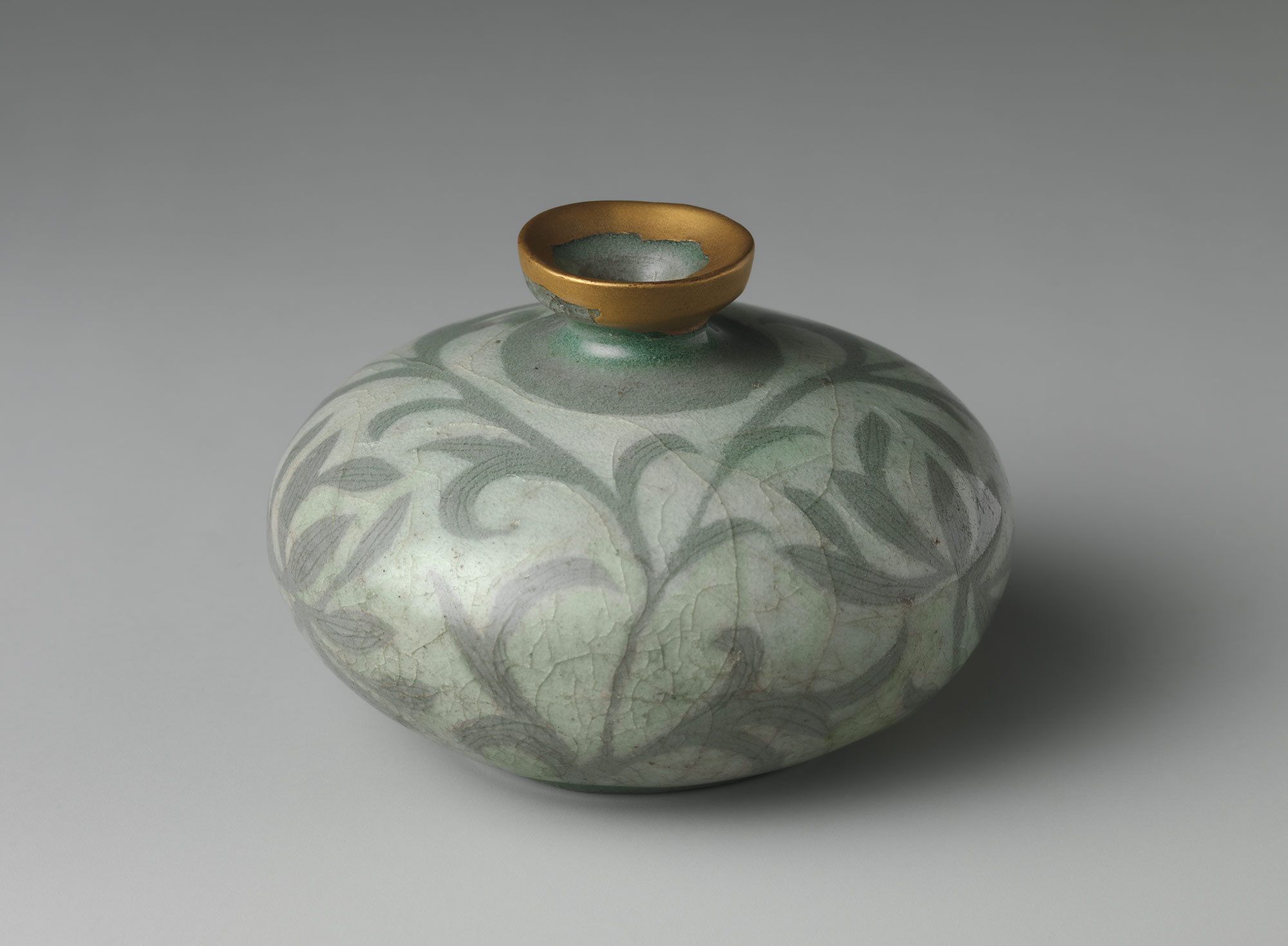
Celadon is a ceramic tradition originating in ancient China, known for the jade-like colour of its glaze. The Chinese name 青瓷, transliterated here as qing ci, means green porcelain. […]