Ash Glazes
Many materials burn or melt in the heat of a ceramic kiln. Plant ash is among the most traditional glaze ingredients, especially in East Asian ceramics, and is associated with celebrated glazes such as celadon, chun and tenmoku. […]

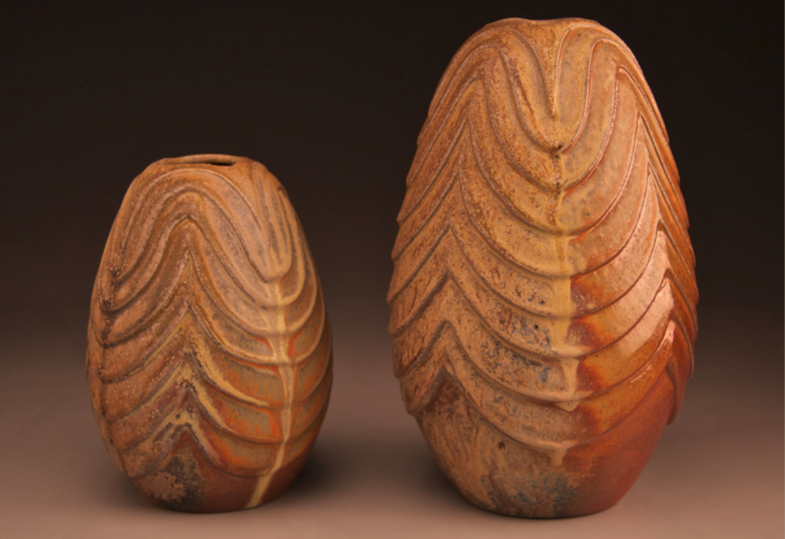
Many materials burn or melt in the heat of a ceramic kiln. Plant ash is among the most traditional glaze ingredients, especially in East Asian ceramics, and is associated with celebrated glazes such as celadon, chun and tenmoku. […]
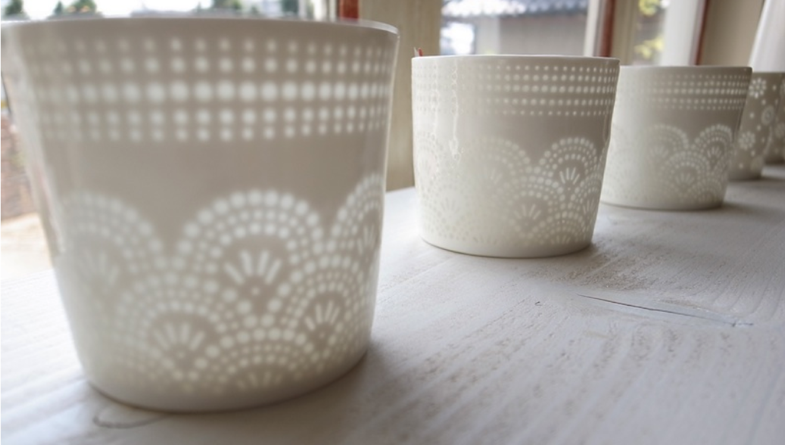
Hotaru-de, literally “firefly hand”, involves piercing a ceramic piece, covering it with glaze and firing it. The glaze closes the openings in the surface, producing the distinctive decorative effect discussed in this article. […]
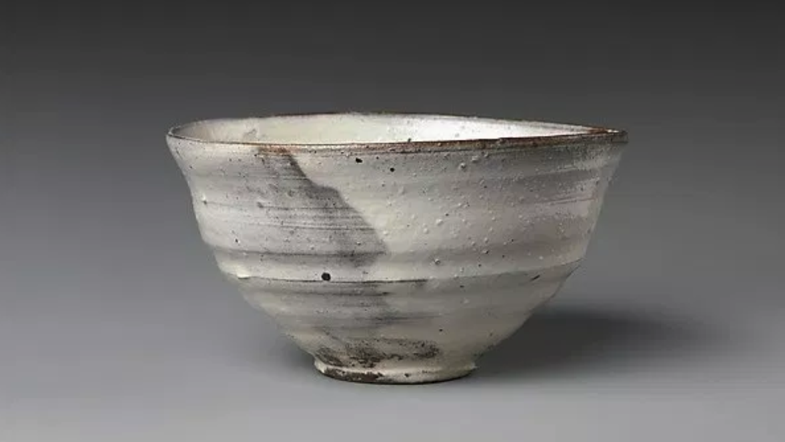
What is kohiki? This technique developed in the Korean peninsula in the 15th and 16th centuries, during the Joseon dynasty. It belongs to a family of ceramics with an overall white appearance. […]
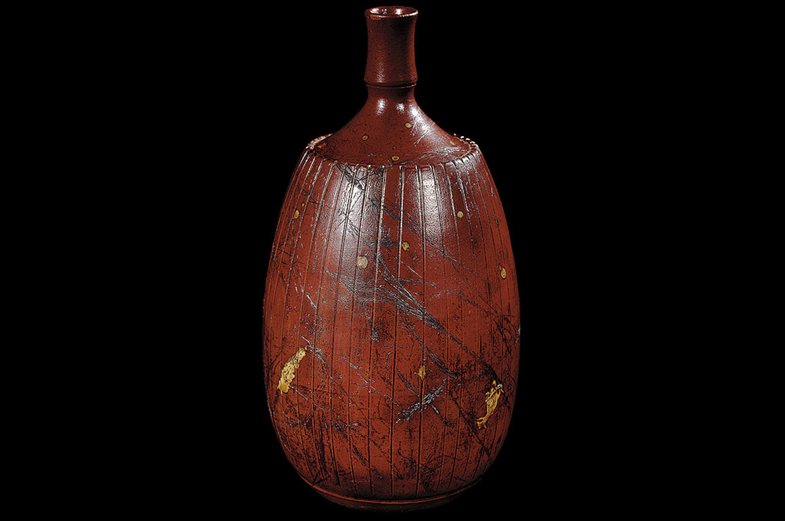
Hello! Last week we explored the elegance of Chinese Song-dynasty ceramics. Today we will consider the strength of Japanese Bizen ware, whose origins lie in high-fired Sue ceramics from the Kofun period, dated here to the 3rd–7th centuries CE. […]
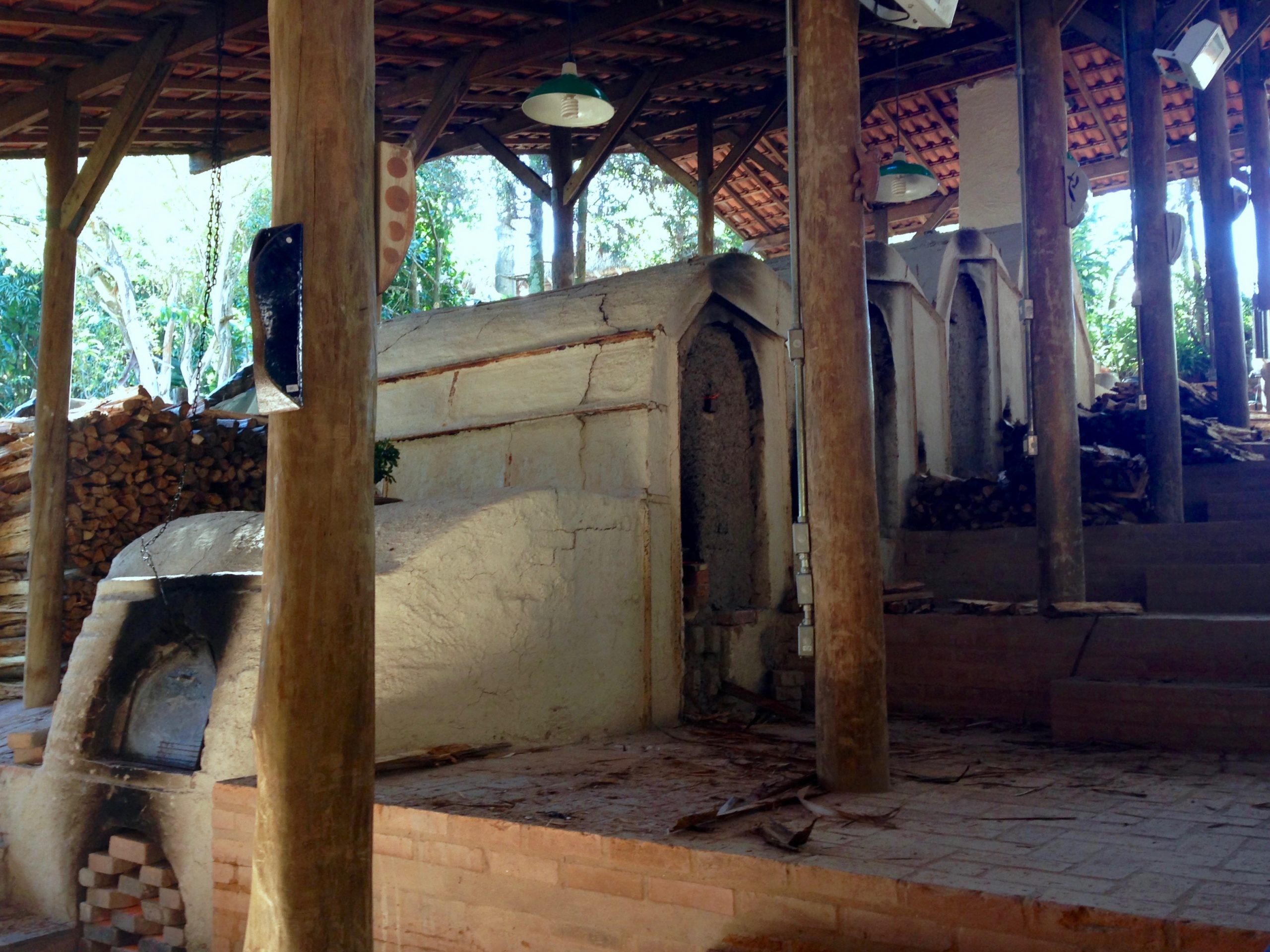
Hello! At the end of June I visited the Suenaga e Jardineiro studio near Cunha, São Paulo, Brazil. The town has become a centre for studio and artistic ceramics. The studio is run by potters Kimiko Suenaga and Gilberto Jardineiro. […]
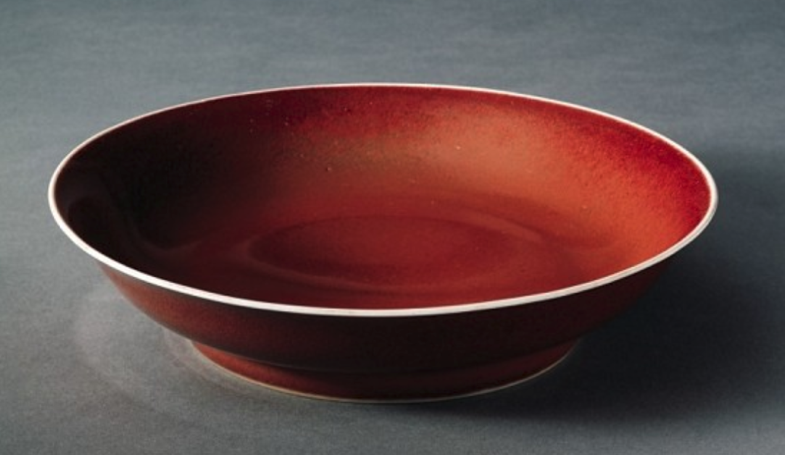
The method for making oxblood glaze was probably discovered during the Wanli reign (1573–1620) in China. Early examples are rare. Initially difficult to control, the process was mastered during the Kanxi and Qianlong reigns of the Qing dynasty, according to the account presented here. […]
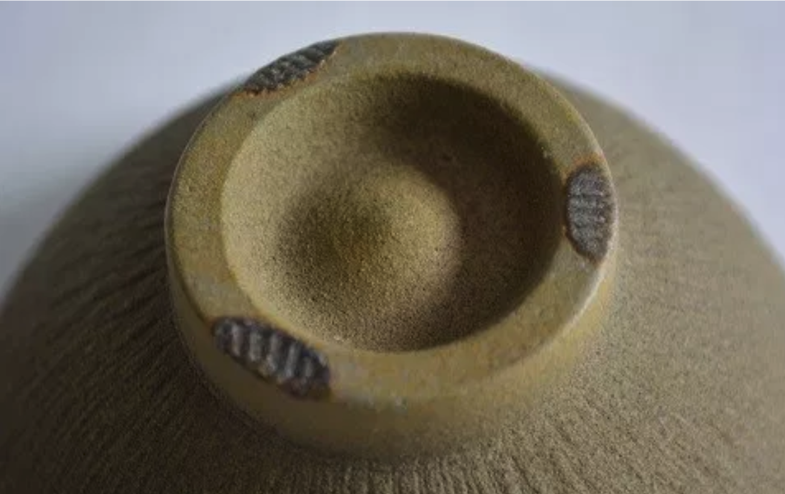
Sō-gusuri is a Japanese expression for complete glaze coverage, including the base of a ceramic piece. The article explains the term and explores support marks and shell impressions that can form part of a piece’s decoration. […]
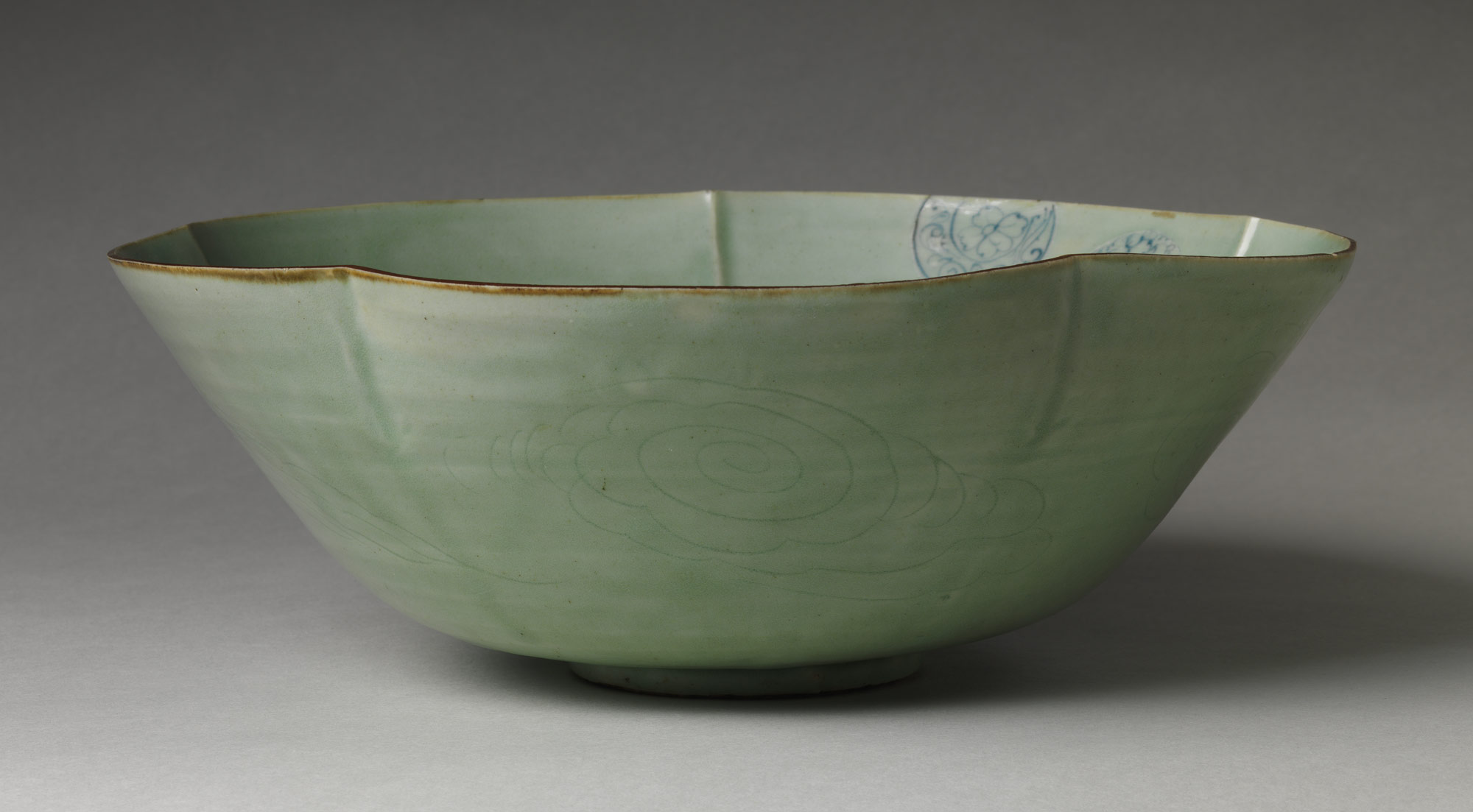
In the previous post I discussed celadon’s history. Today we will look at the glaze’s technique in Japan, where reduction firing is used to develop colours ranging from blue to green. […]
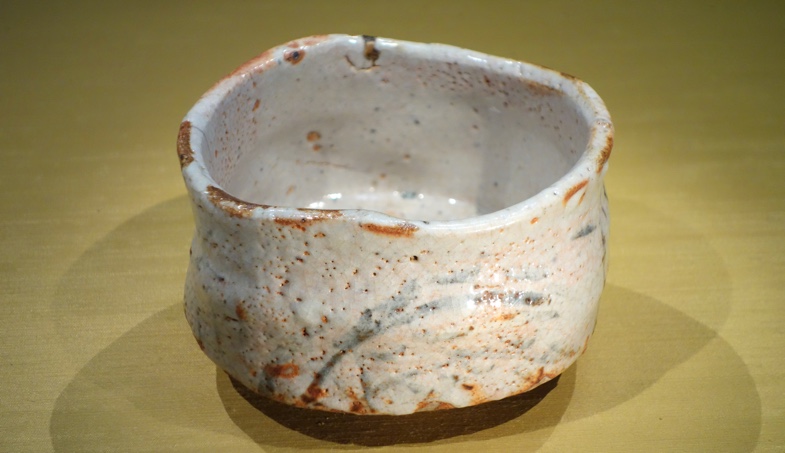
Shino ware was made in the Mino kilns around Toki, Gifu prefecture, Japan. Its pieces are known for thick, snow-white glaze and scarlet flame-like markings that seem to lie beneath the surface. […]
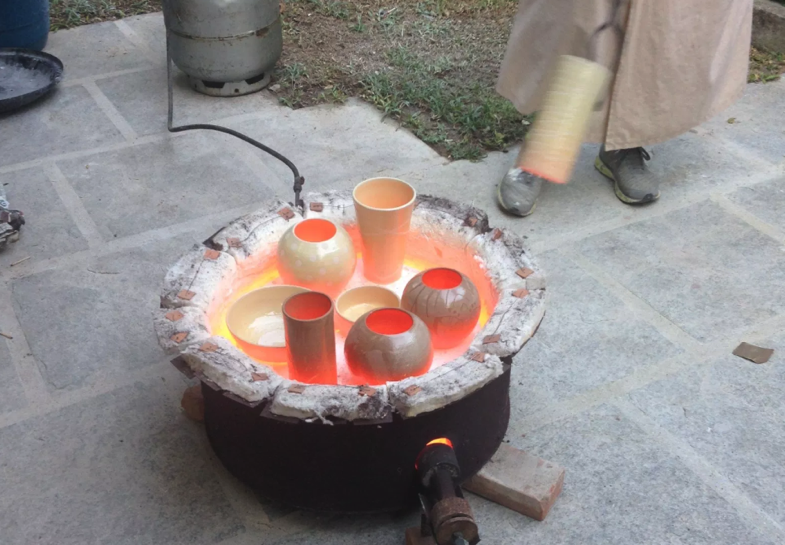
Hello! As I explained in the previous post, Raku practice differs between Japan and the West. Here I will share my own Raku experience in Brazil, at Newton de Mello’s studio in Barra da Tijuca, Rio de Janeiro. […]